


_ urban encounter
tag: [work] [phygital] [digi]
classification: Nanshan Digital Public Art Program
location: Overseas Chinese Town Shenzhen China
collaborator: Haotian Zhang & Tianying Li
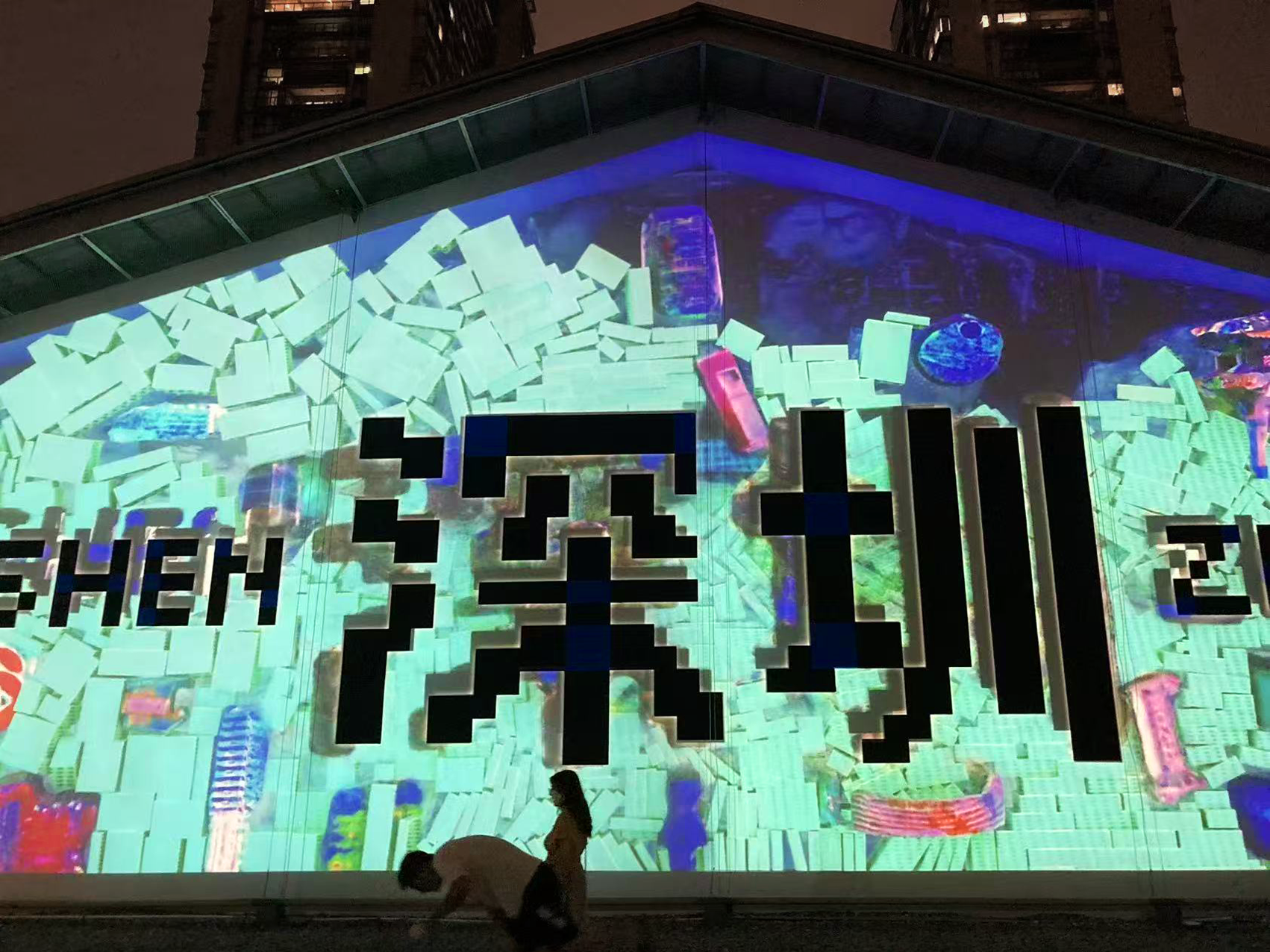
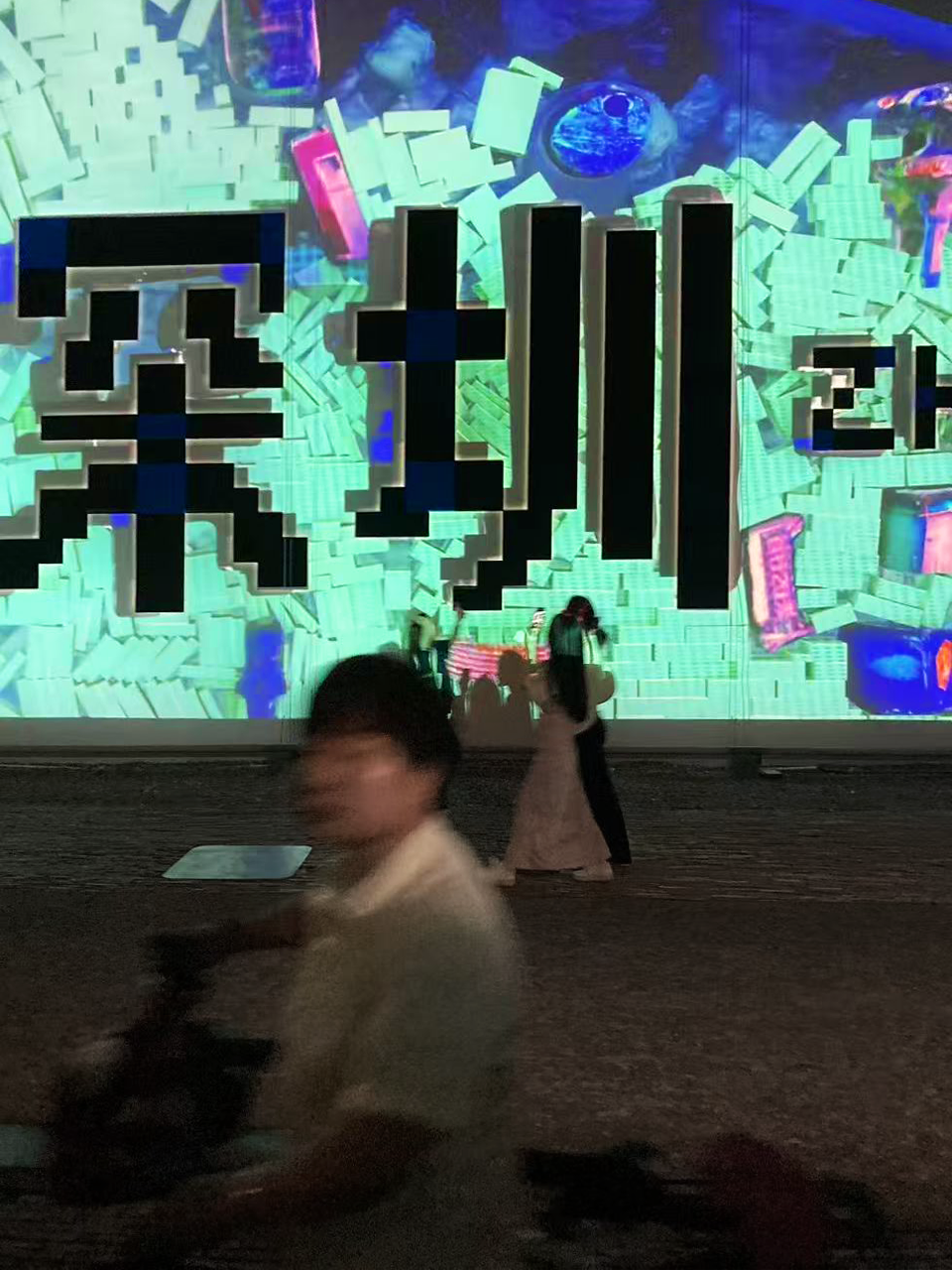
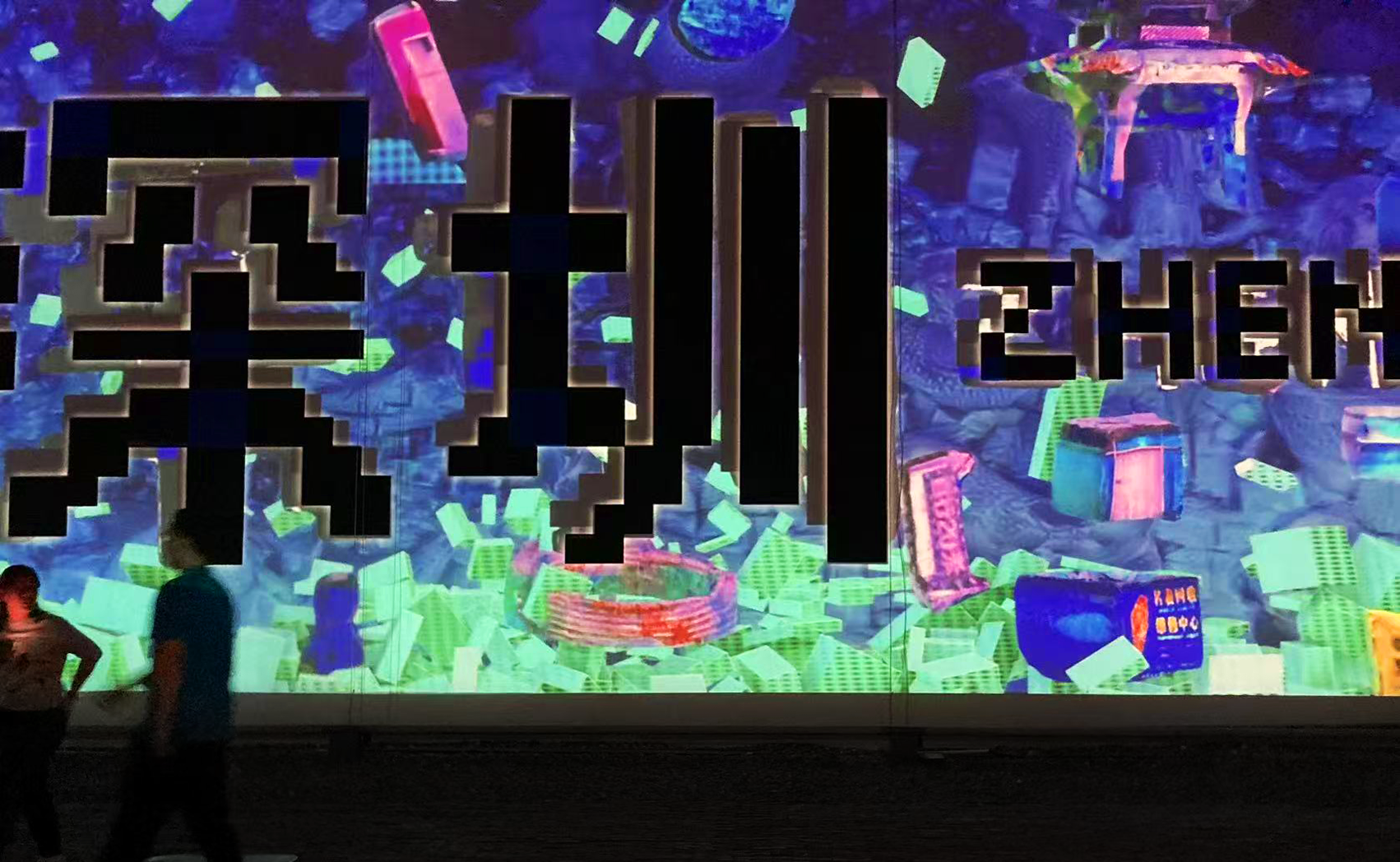
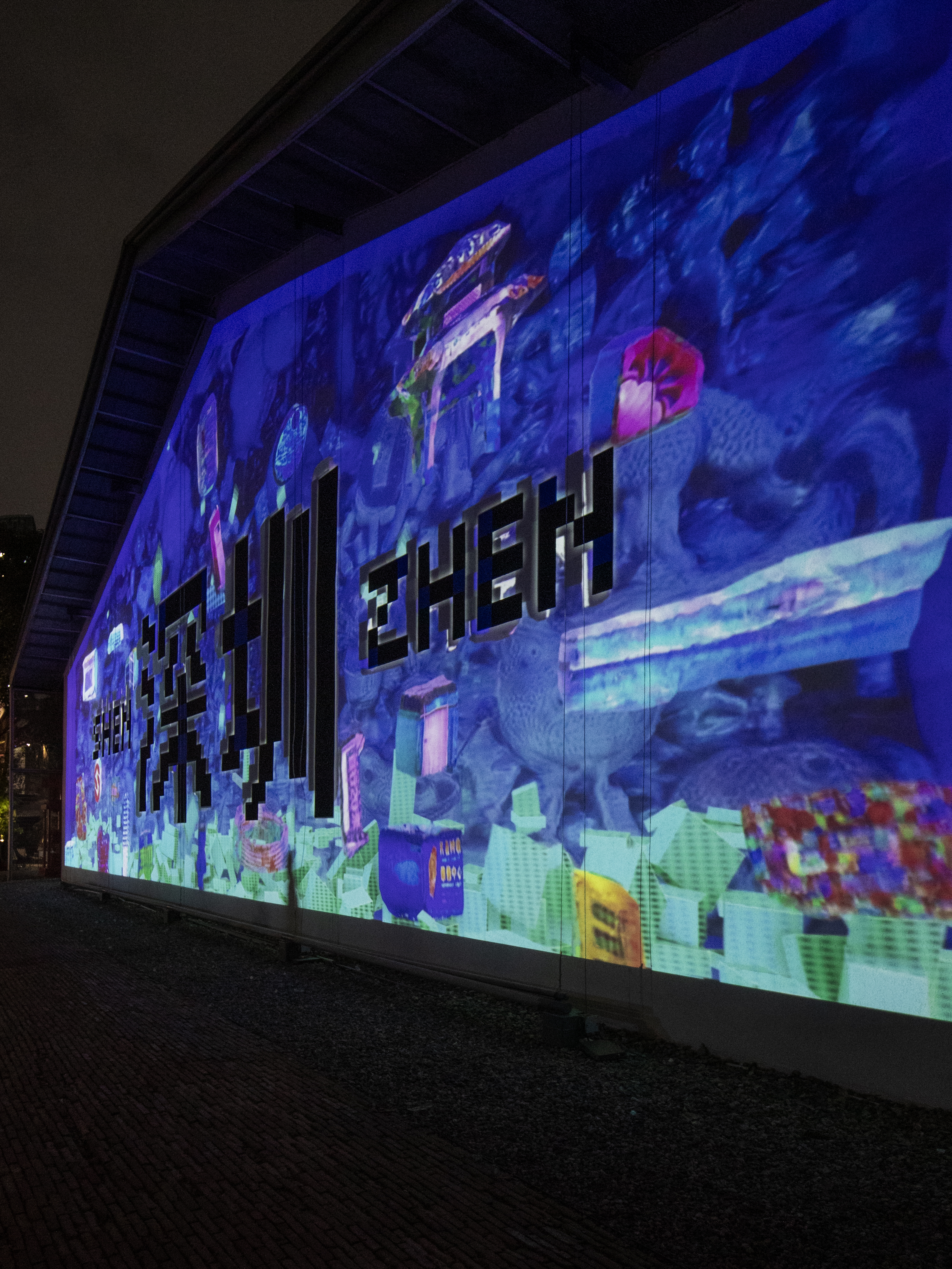
Shenzhen is a place where multiple cultures encounter one another, where local and international voices converge. This cultural overlap has produced a heterogeneous architectural landscape in which buildings, objects, materials, signs, and spatial languages of different origins coexist side by side. Urban Encounter begins by searching for moments of encounter among these architectural conditions, extracting fragments from the city and using them as foundational materials for a house constructed around the site-specific “Shenzhen” typographic installation.
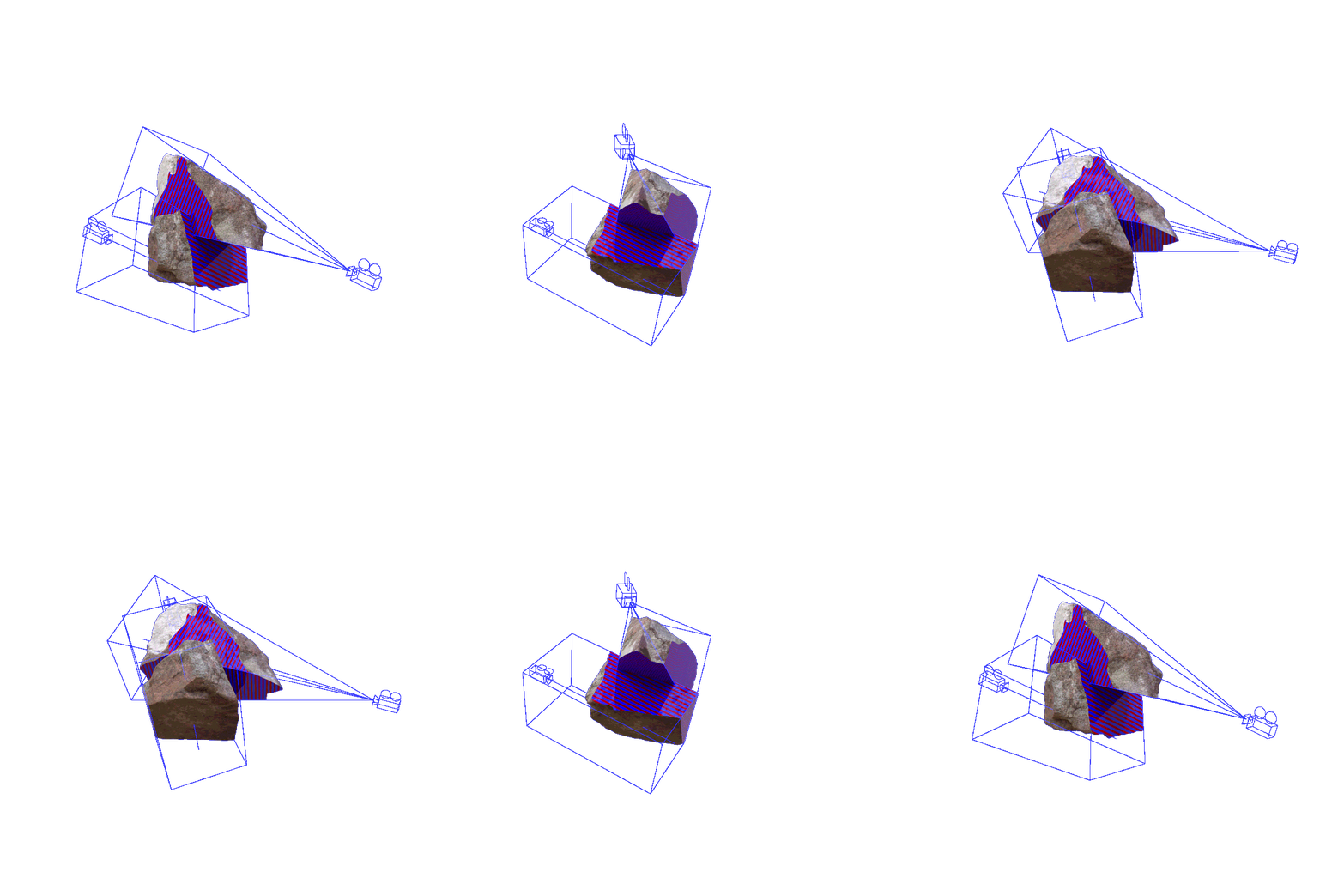
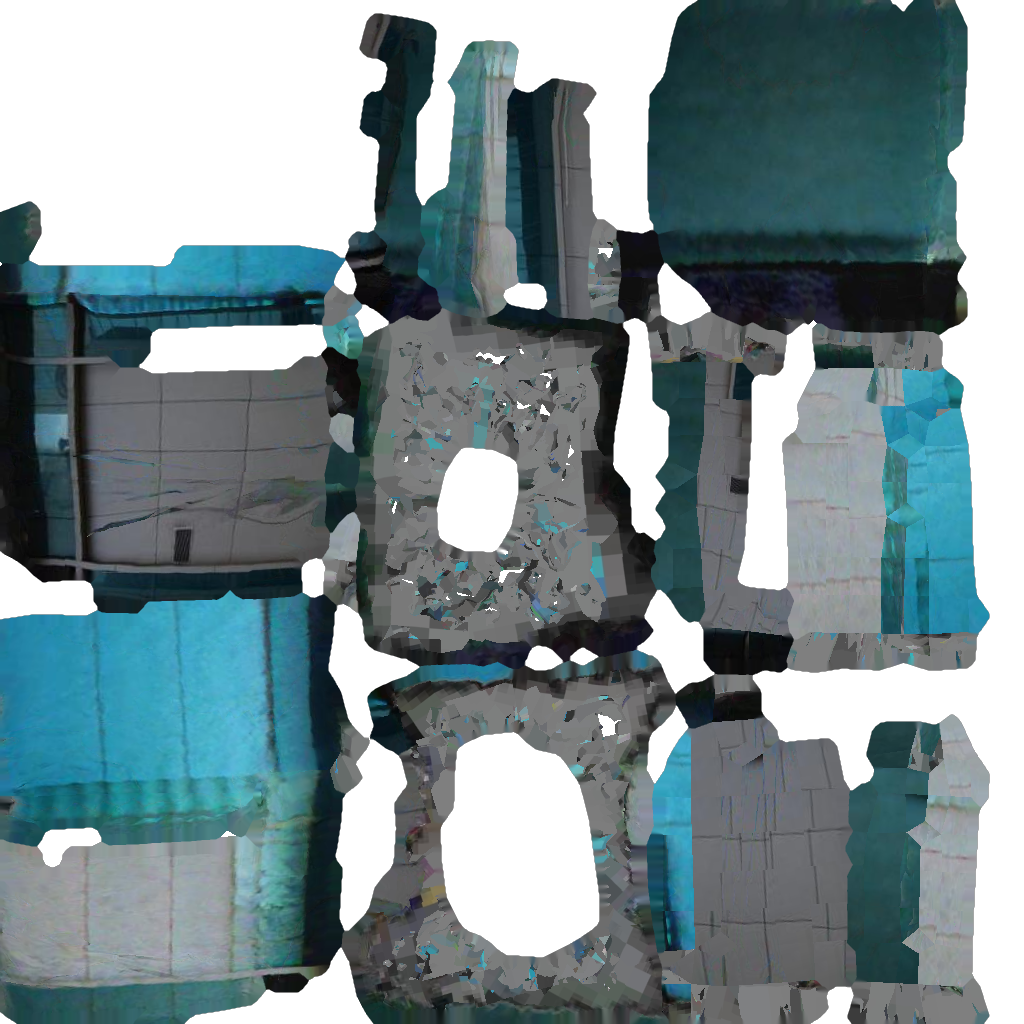
Rather than beginning with a predefined architectural vocabulary, the project builds an archive through observation. Architectural fragments and everyday objects encountered throughout Shenzhen are collected through photography and 3D scanning. The resulting scans provide a material and geometric record of what was actually encountered in the city—a dataset grounded in specific objects rather than generalized architectural categories.
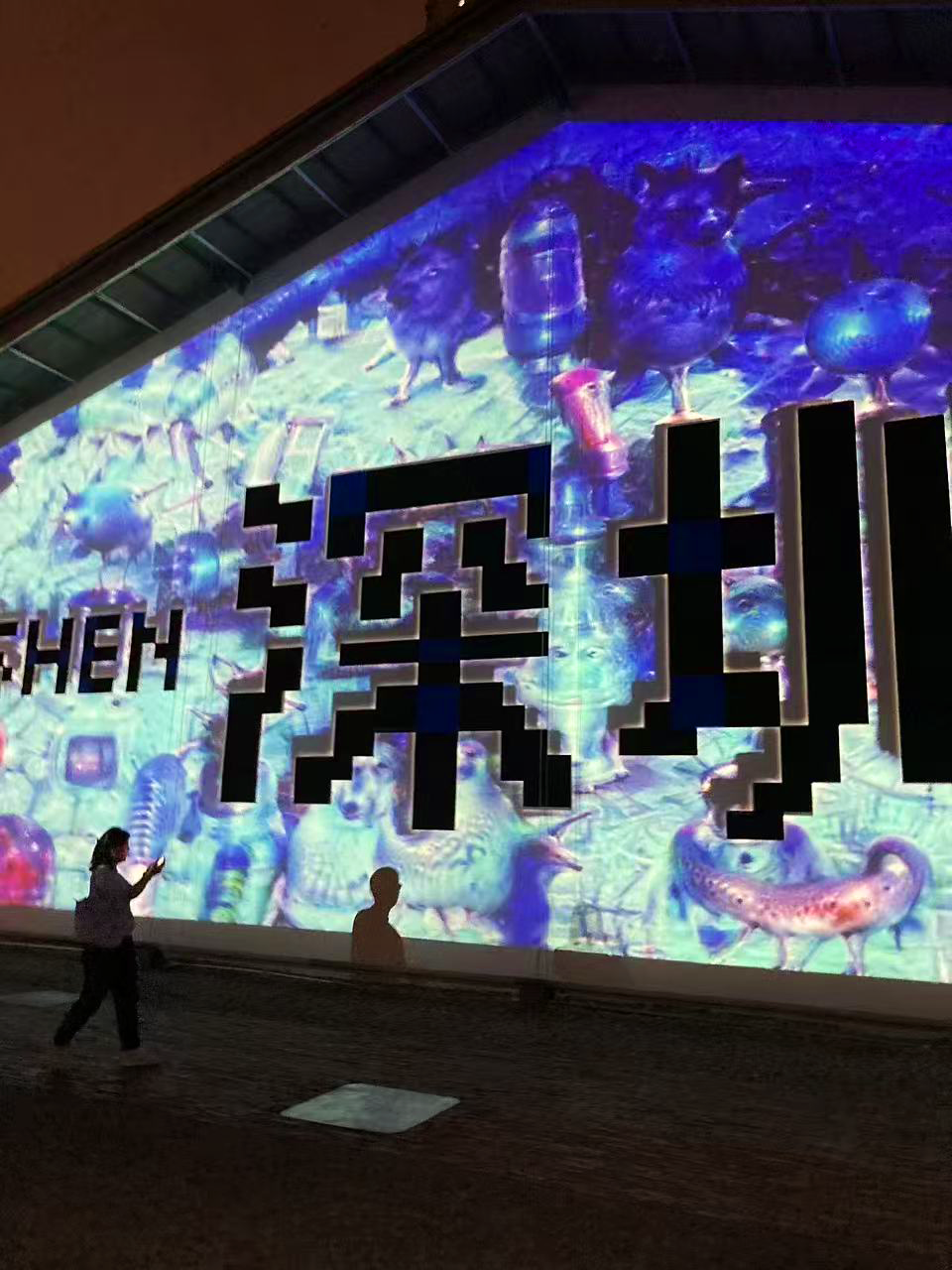
These scanned objects then become the basis of an experiment in communication between human perception and artificial intelligence. Instead of simply feeding the scans into a generative system, students are asked to describe what they have scanned through language and use those descriptions to ask an AI system to reconstruct the objects. The original 3D scan therefore operates as a reference against which the machine-generated object can be continuously compared.
What initially appears to be a straightforward act of description quickly becomes a prolonged process of translation. A person may believe that an object can be described clearly in a few sentences, yet the AI often produces something substantially different from what has been observed and scanned. Students repeatedly rewrite prompts, adjust vocabulary, reorganize descriptions, and regenerate models in an attempt to bring the AI interpretation closer to the scanned reference.
For individual objects, this process frequently requires twenty to fifty iterations, and sometimes considerably more, before the generated geometry becomes even approximately recognizable in relation to the original scan. These repetitions are not treated as failures to be eliminated from the workflow. They constitute the experiment itself.
The discrepancy exposes a layer of friction between seeing, describing, and machine interpretation. What humans consider ordinary or standardized language is already conditioned by cultural conventions, assumptions, learned categories, and perceptual bias. We do not describe everything that we see. We unconsciously decide which characteristics are important enough to name, which are assumed to be obvious, and which can remain unspoken.
The AI system, however, does not necessarily organize visual information according to those same priorities. A word that seems precise to a human observer may correspond to a much broader semantic field for the machine. Conversely, characteristics that appear visually secondary to us may significantly redirect the generated result. The inability of the AI to immediately reproduce the scanned object therefore reveals not simply a limitation of artificial intelligence, but a difference between how humans describe the visible world and how computational systems translate language back into visual and spatial information.
The exercise consequently reverses the familiar idea that humans simply “prompt” an intelligent machine. Students must instead train themselves to communicate with the system. Through repeated comparison between the physical object, its scan, its linguistic description, and the AI-generated reconstruction, they gradually learn which information the machine requires in order to approximate what they mean.
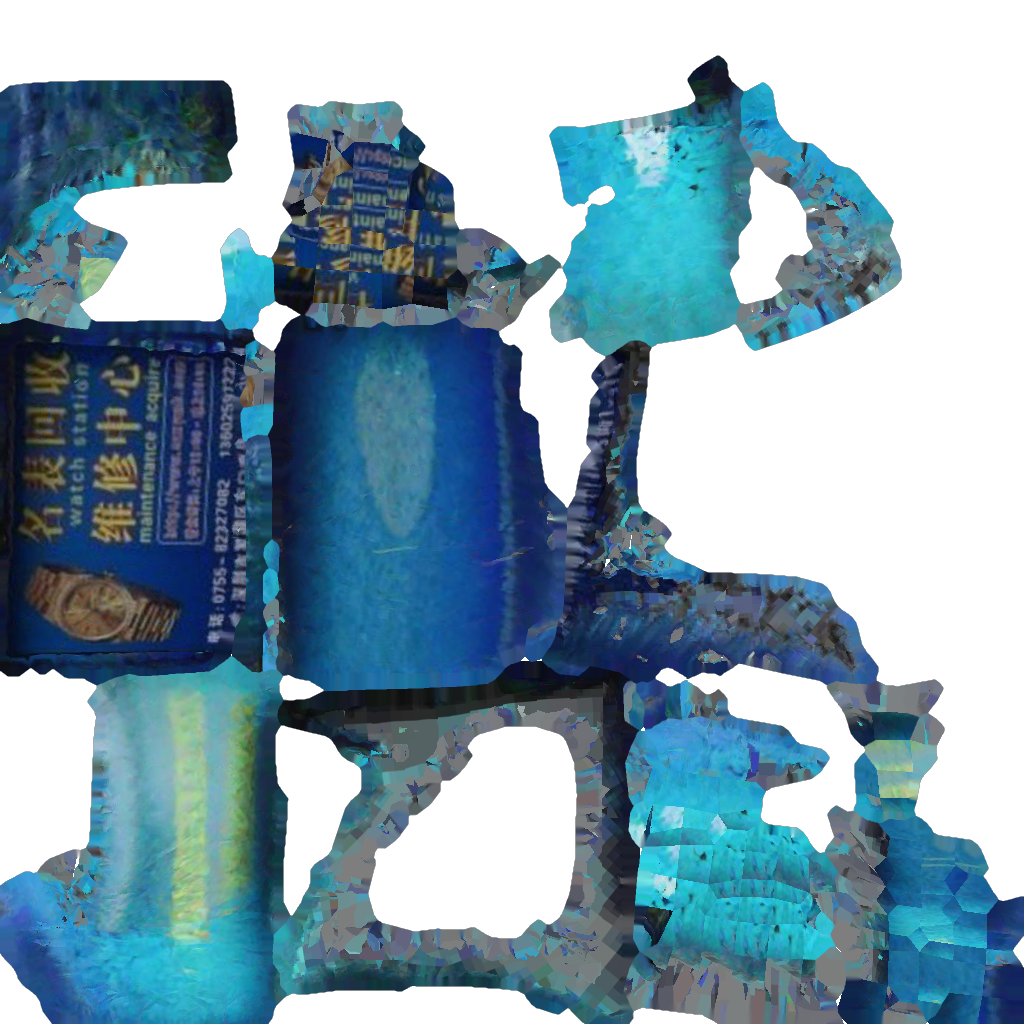
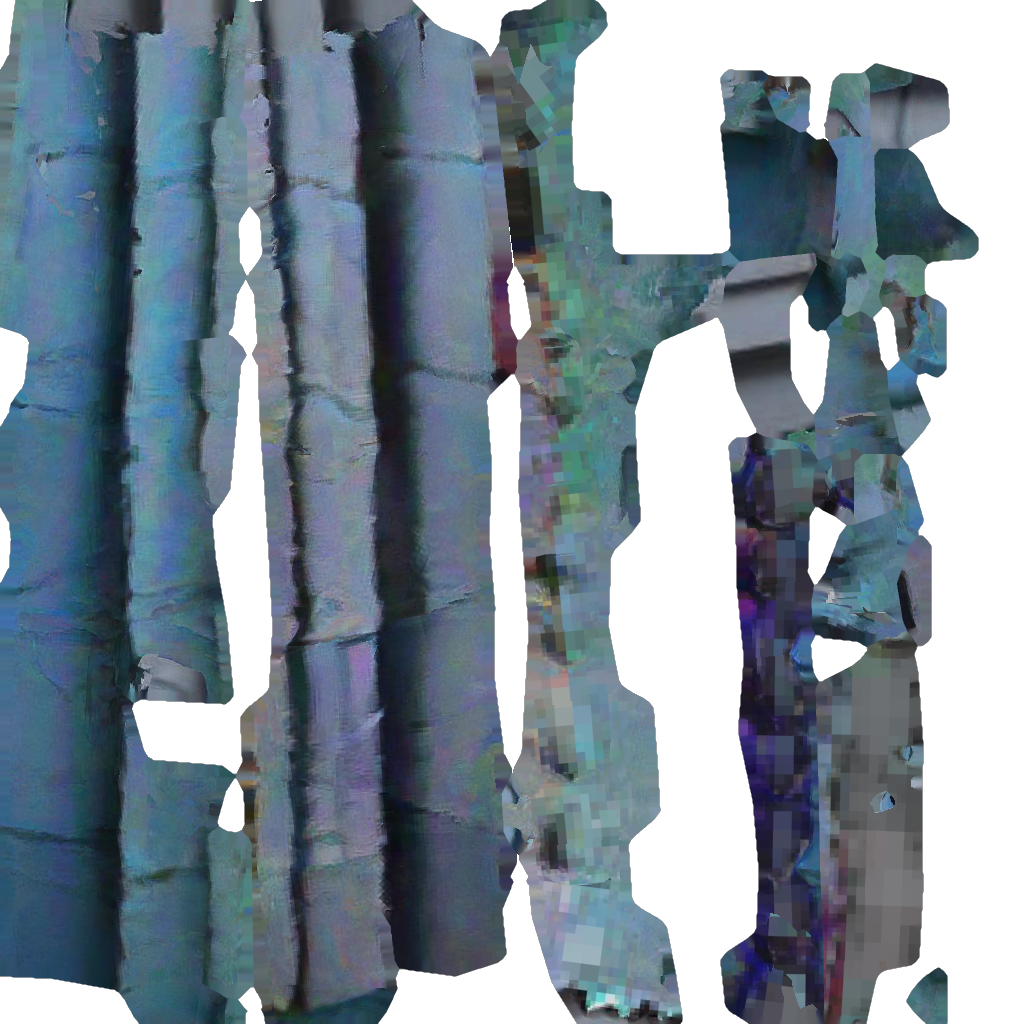
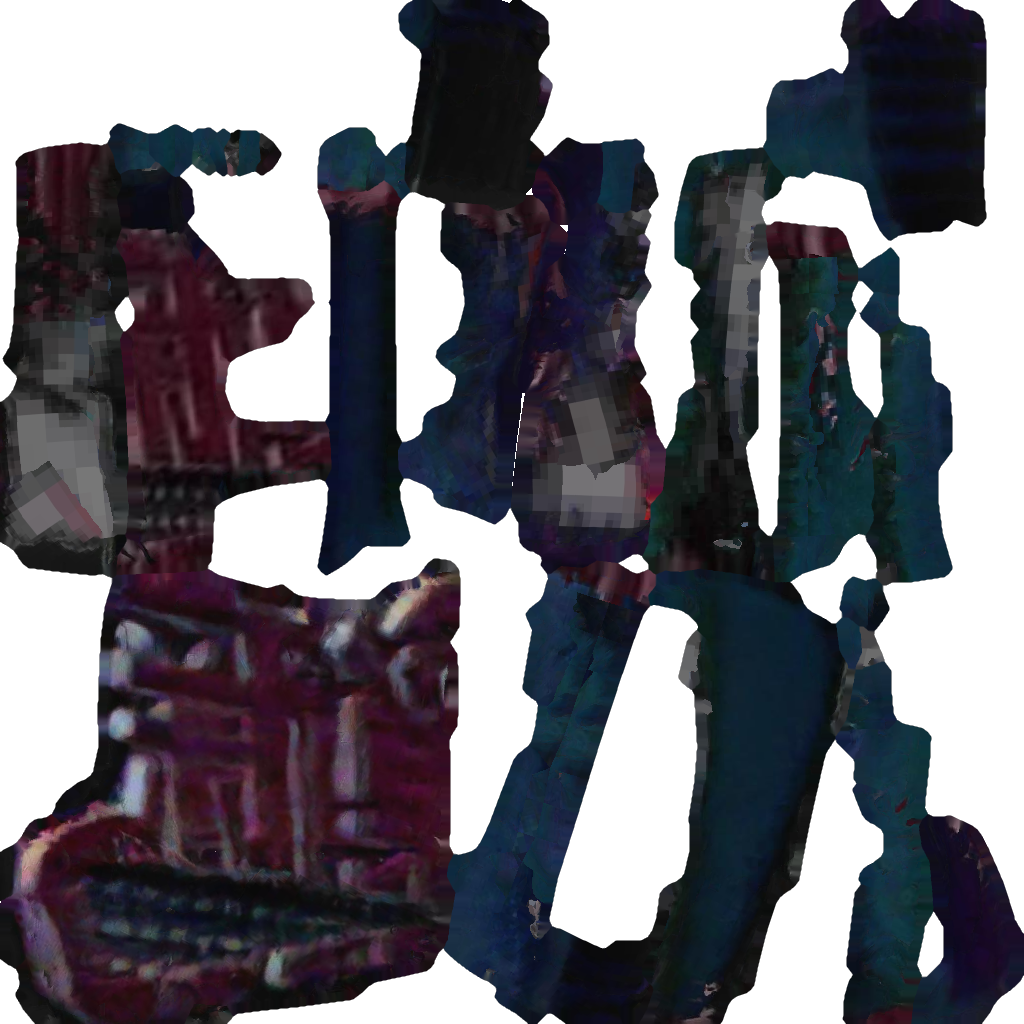
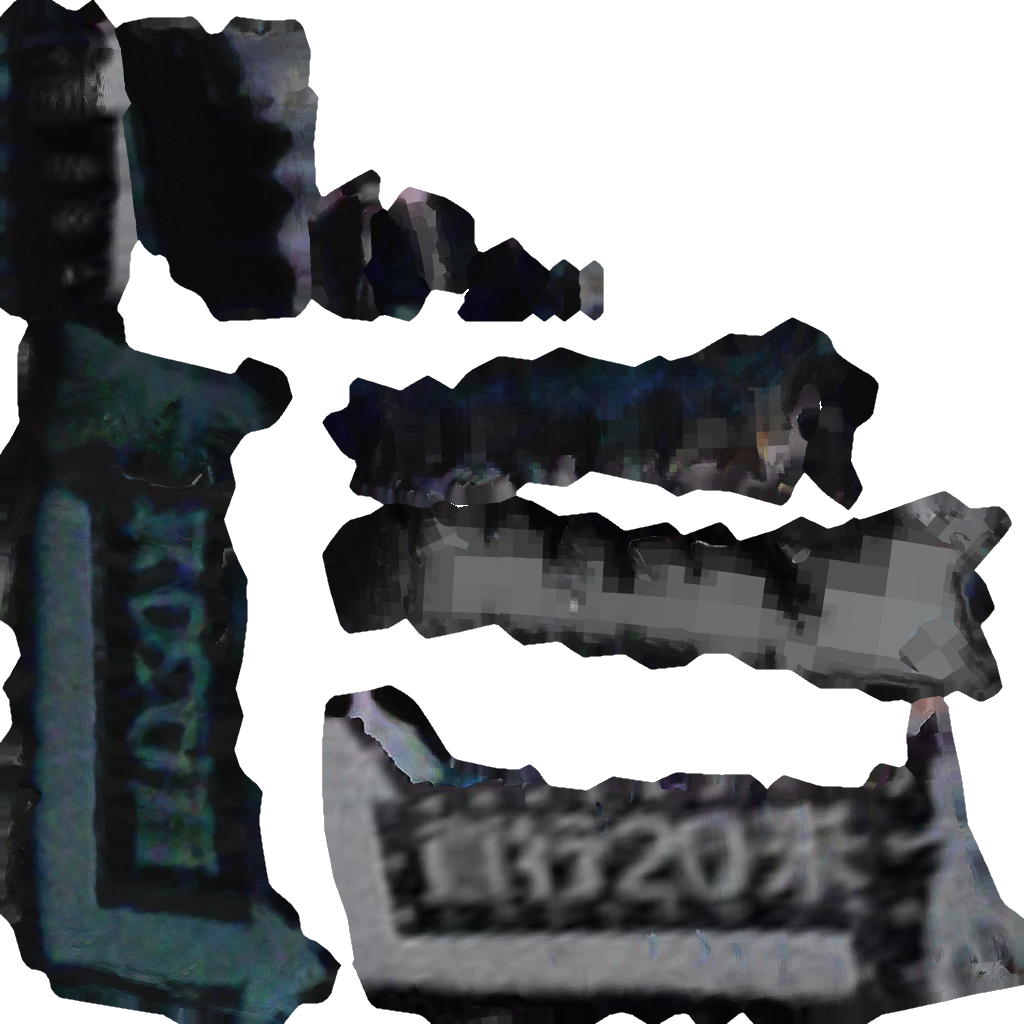
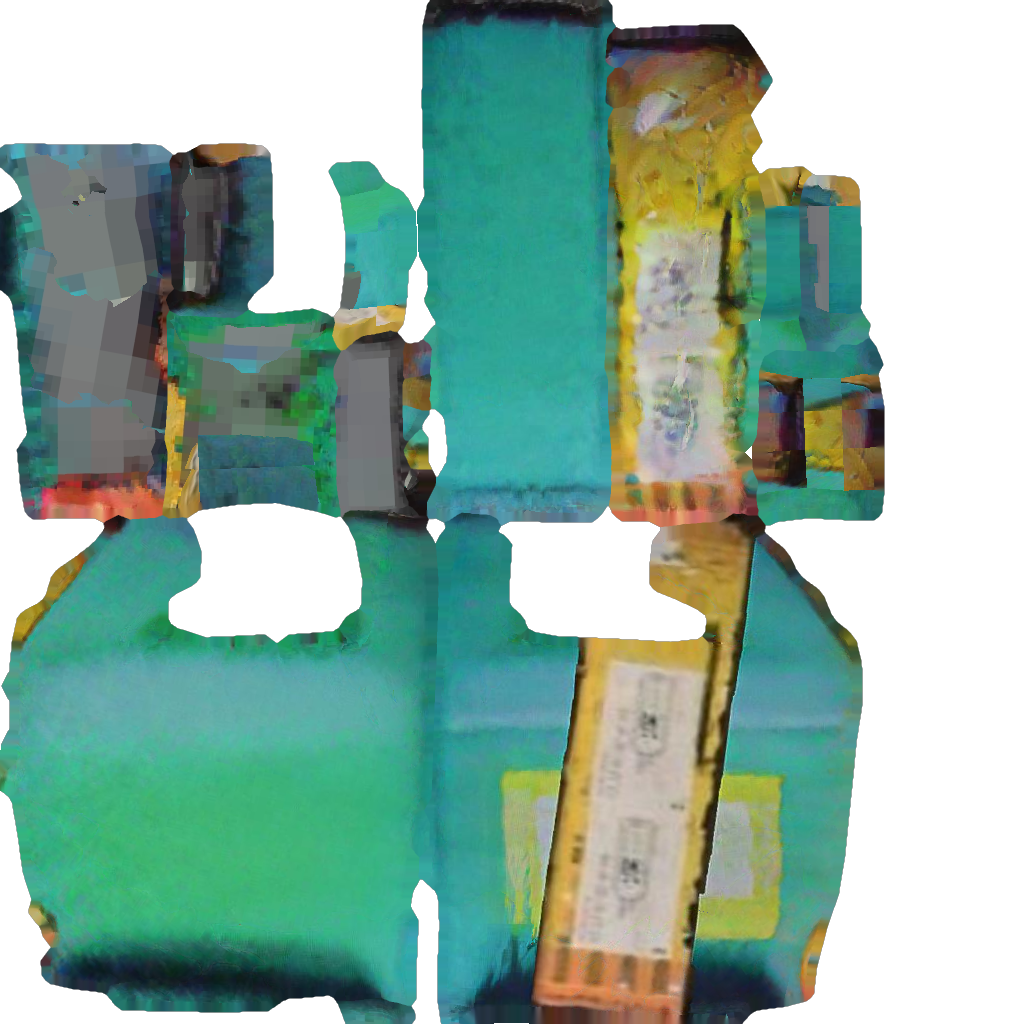
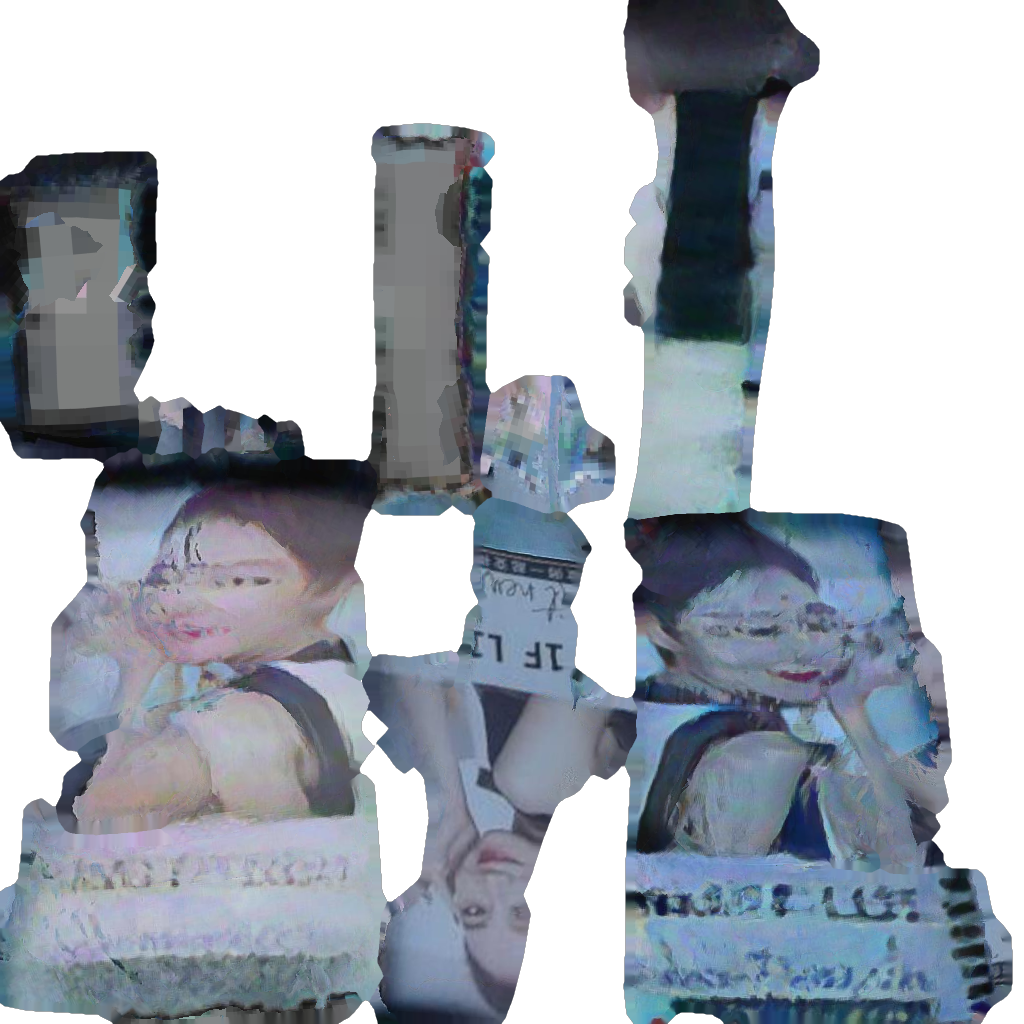
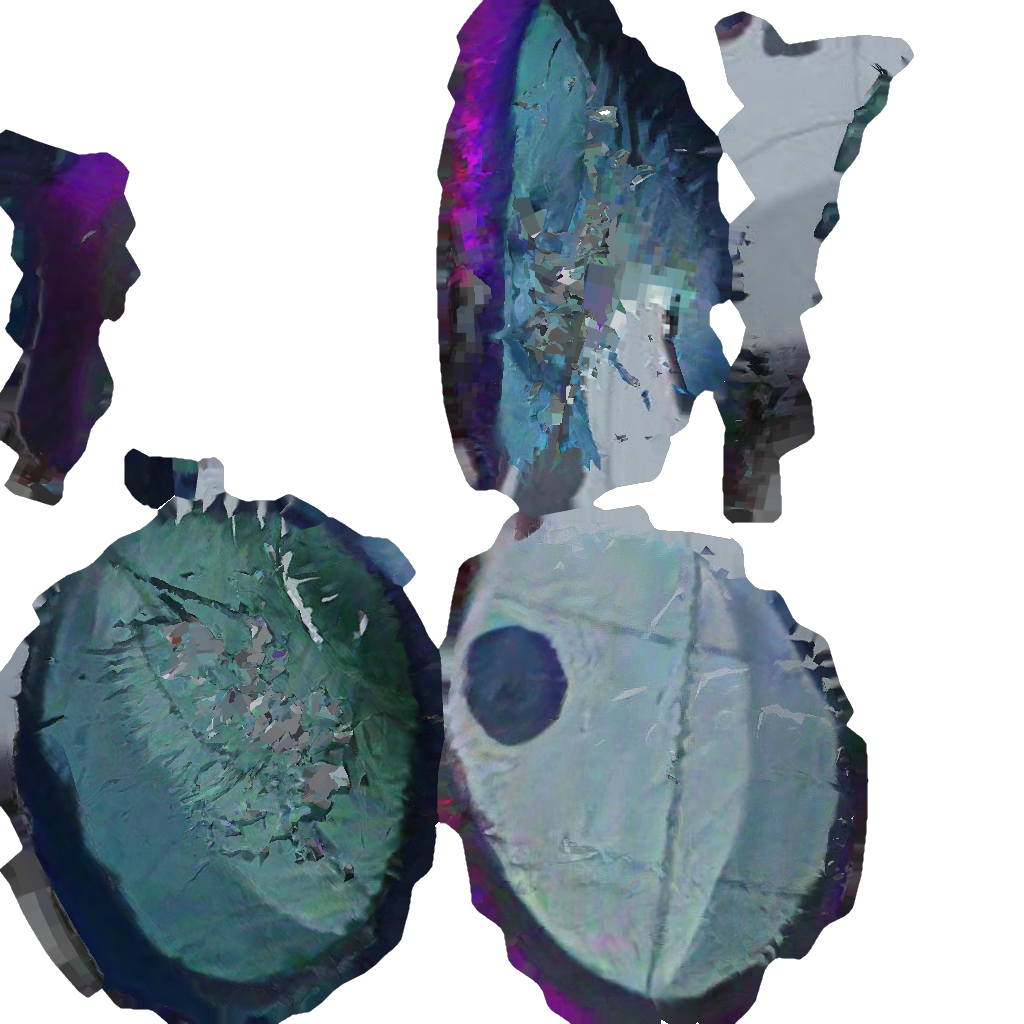
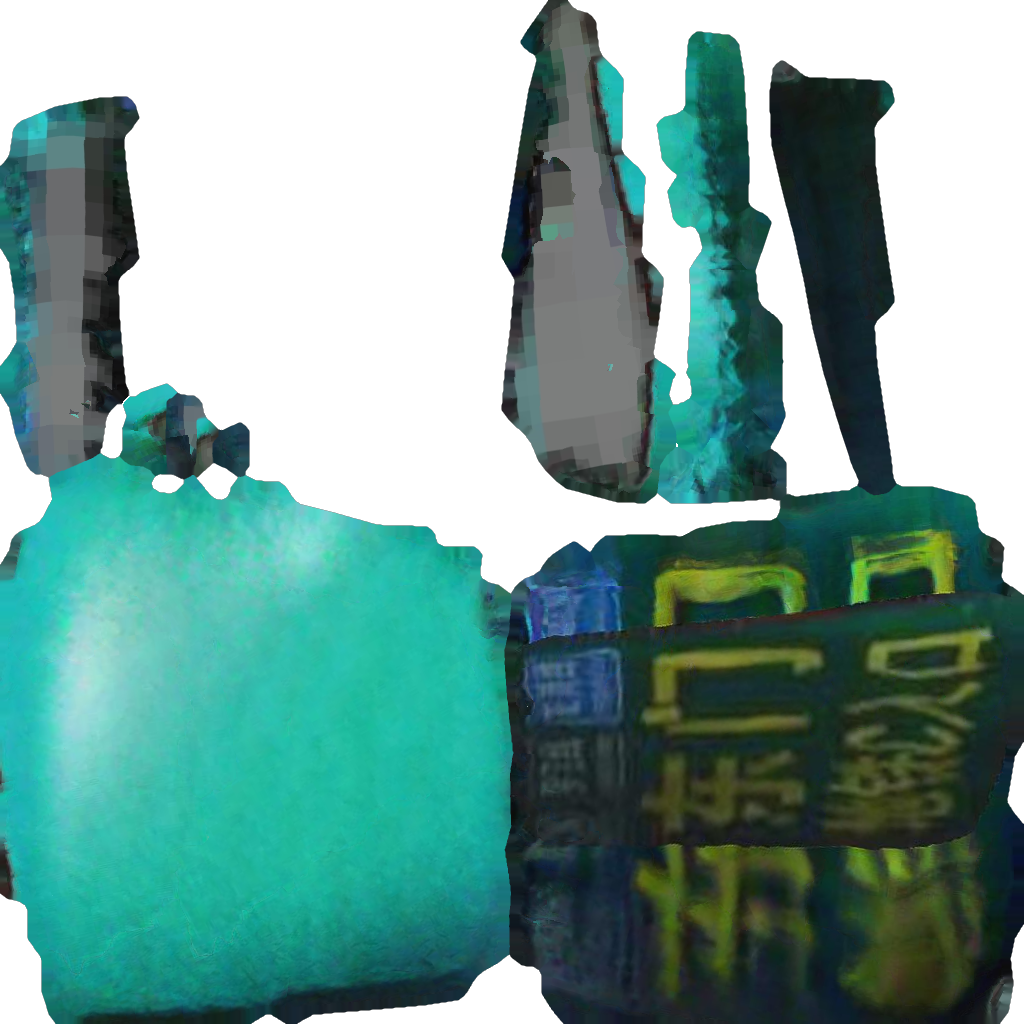
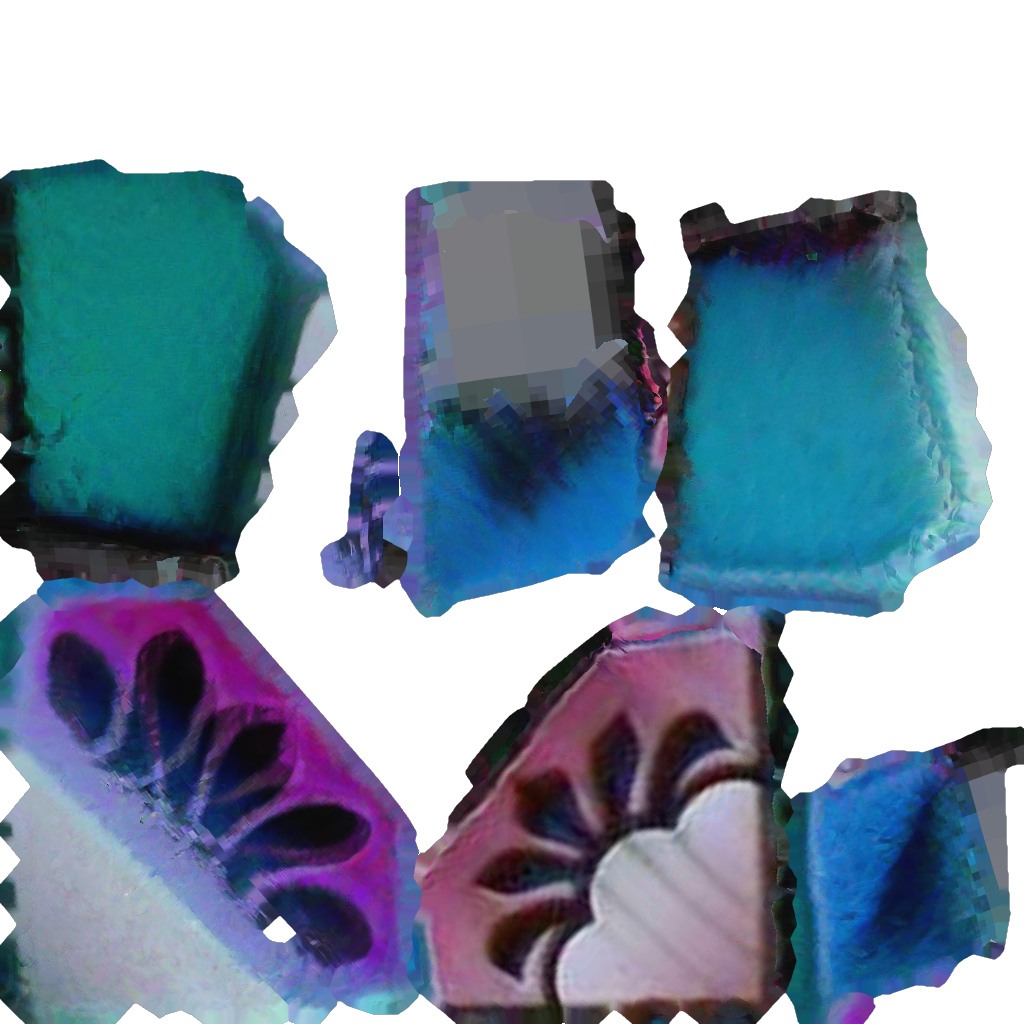
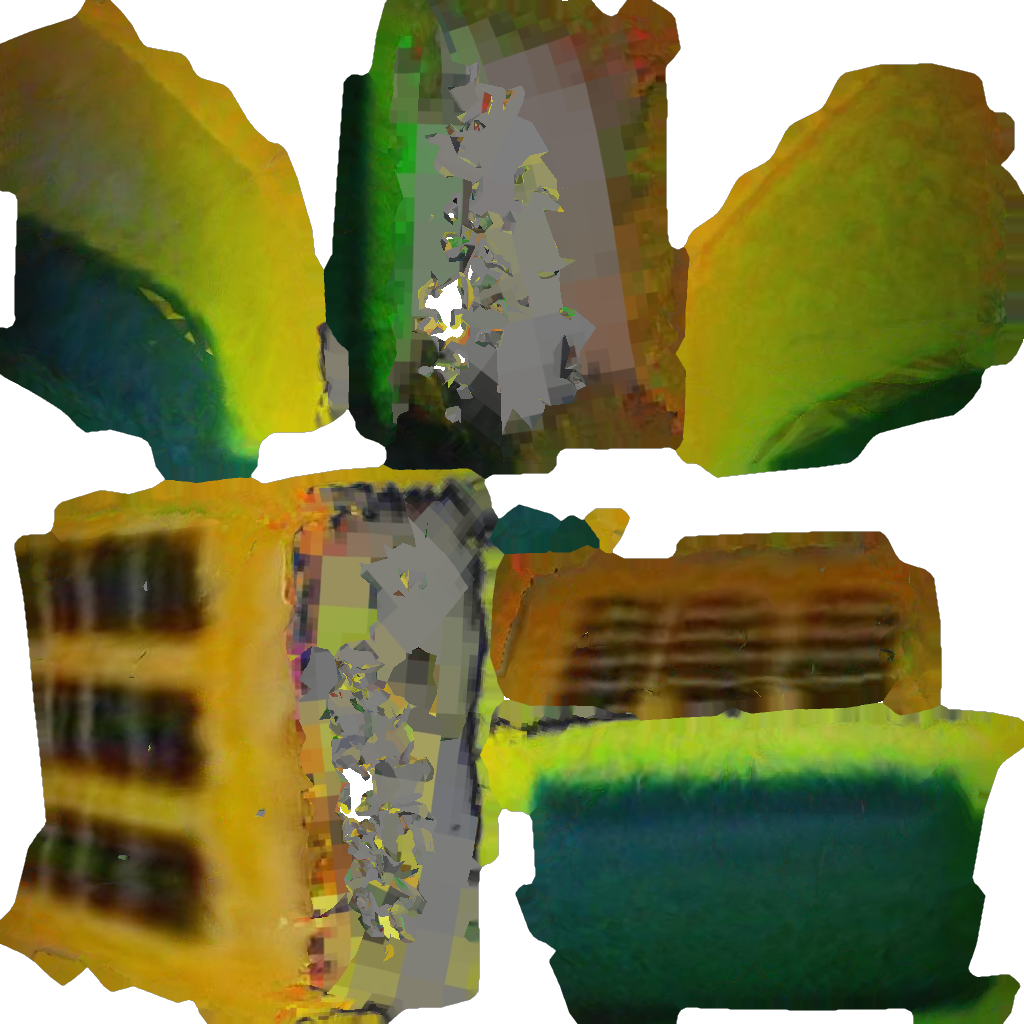
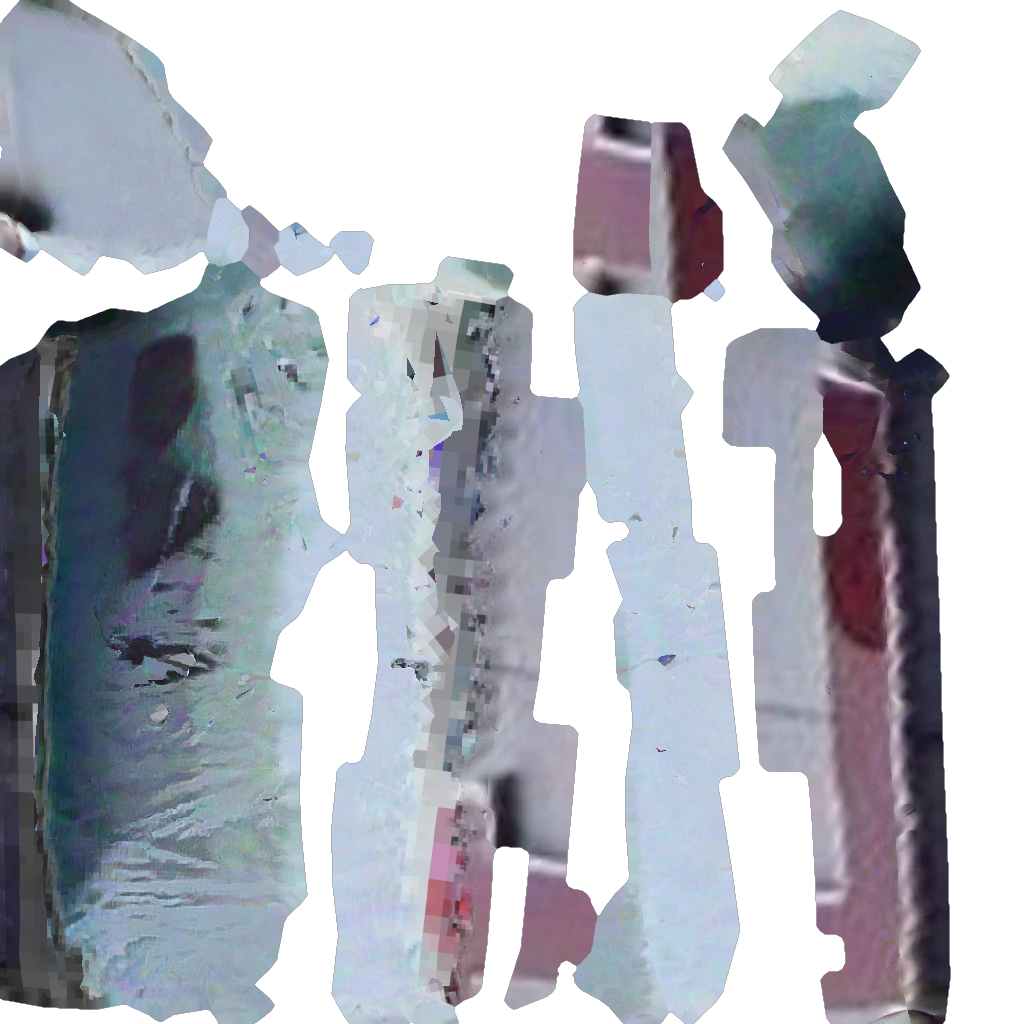
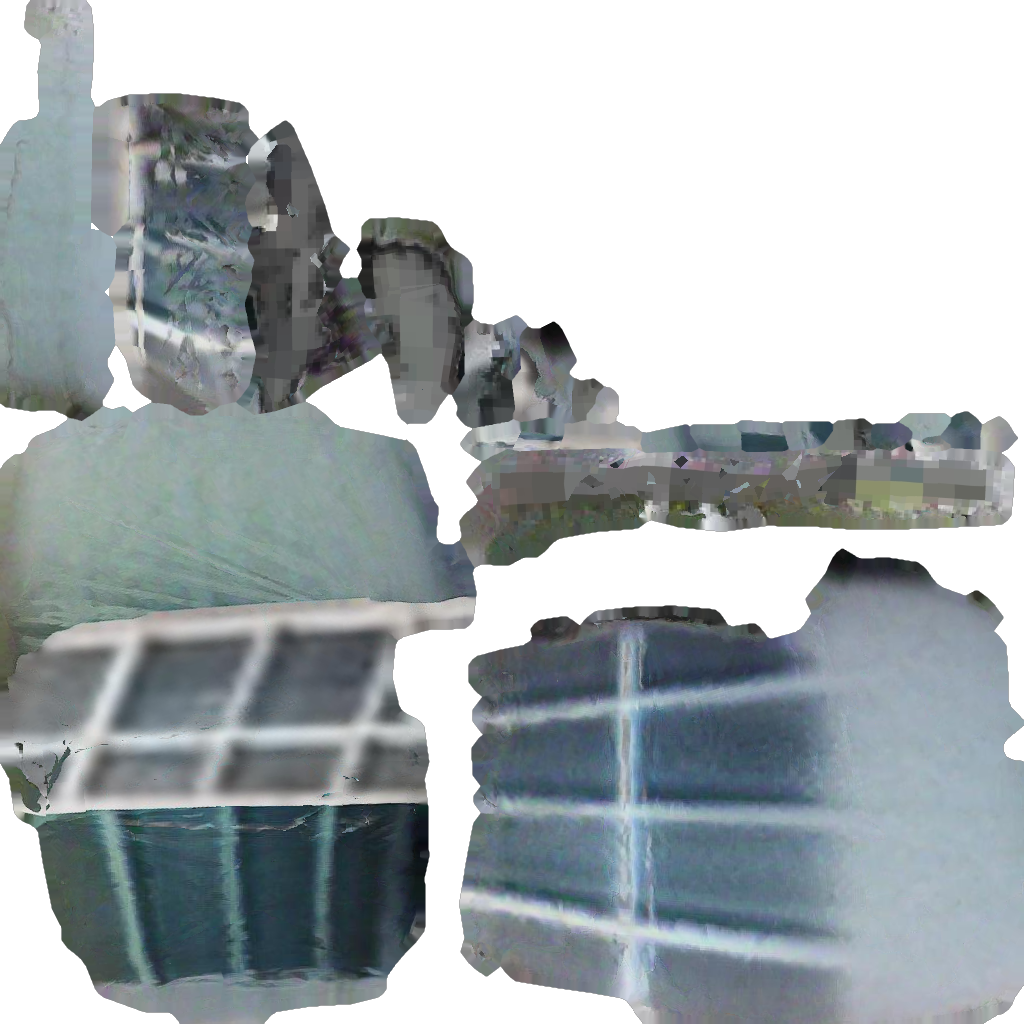
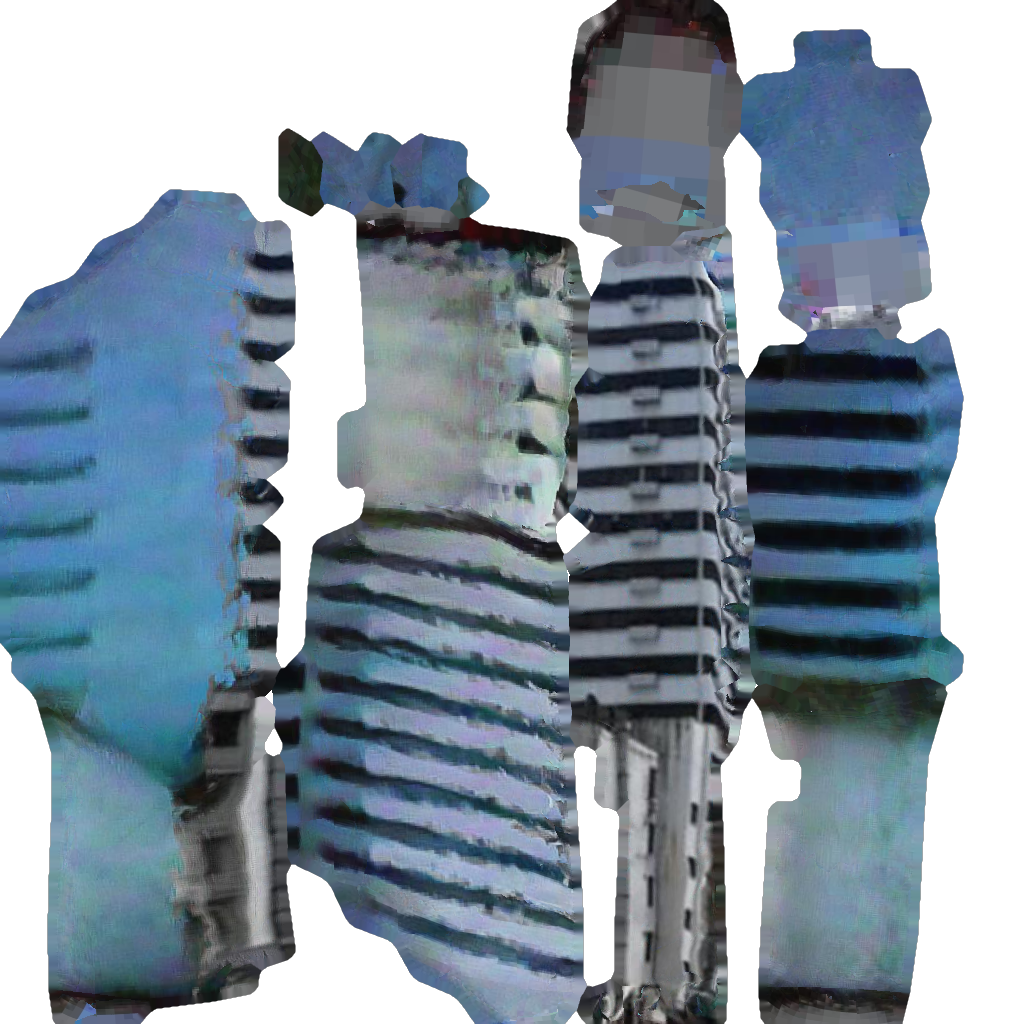
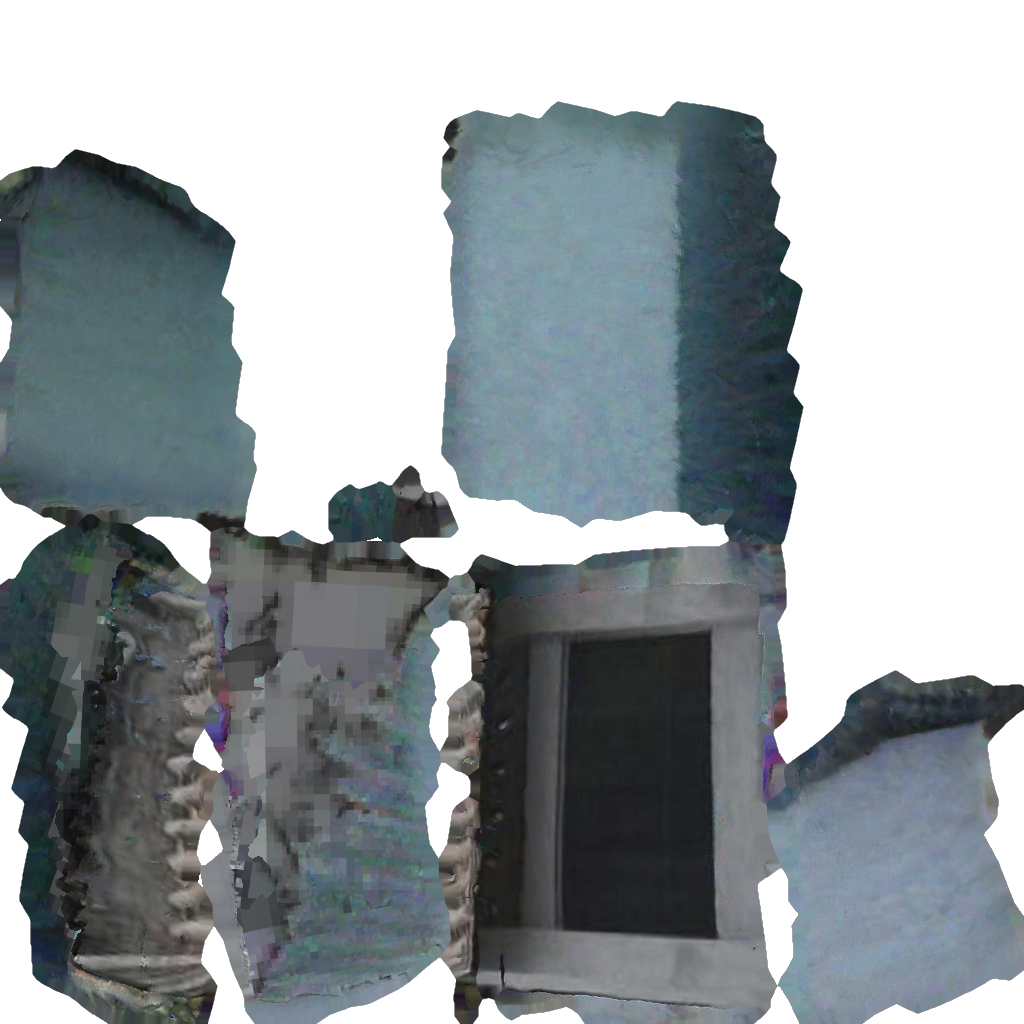
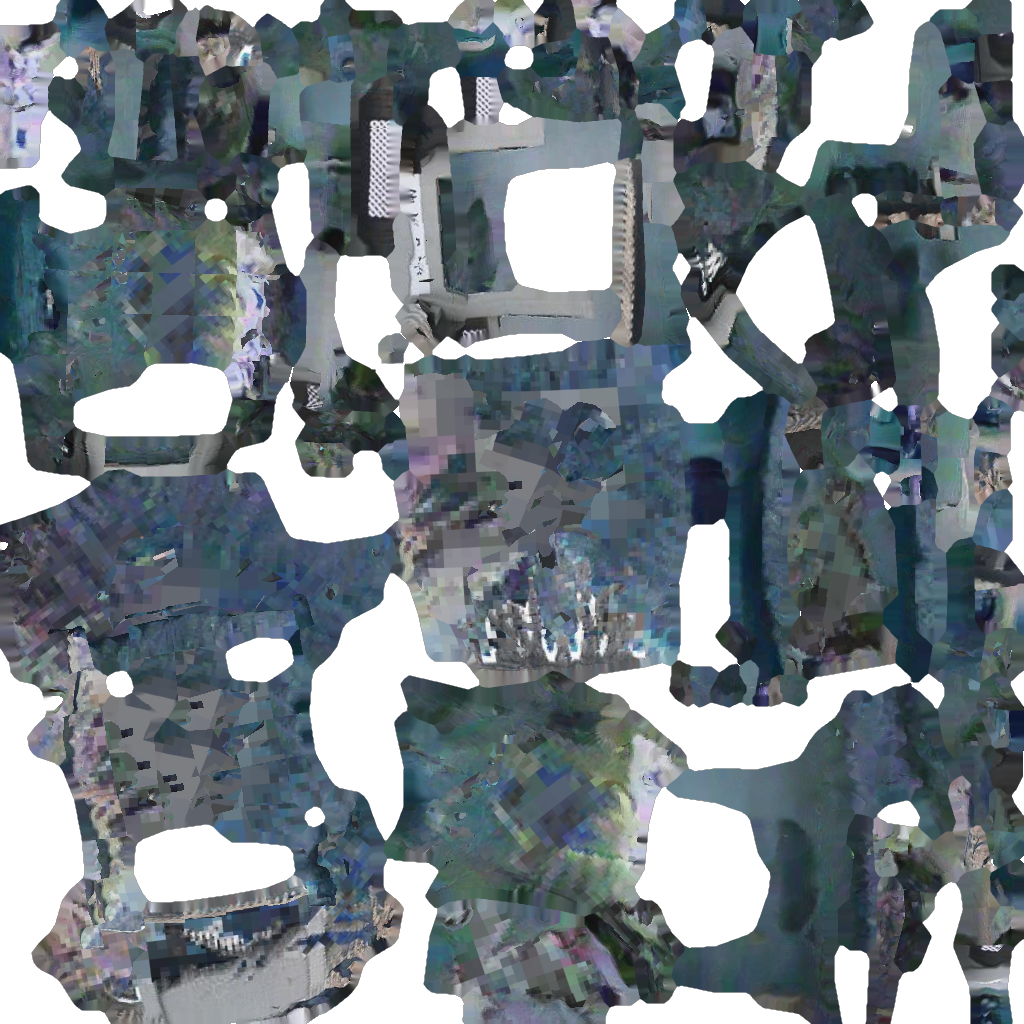
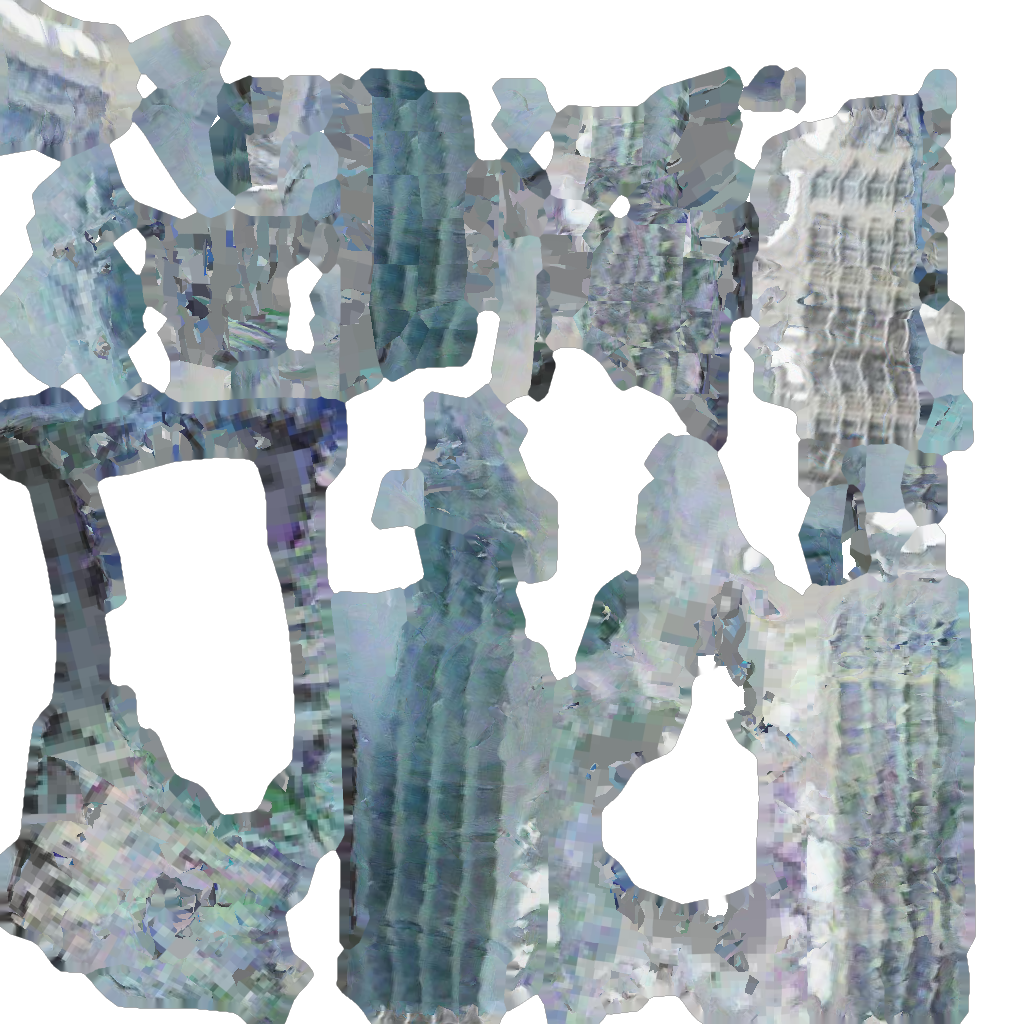
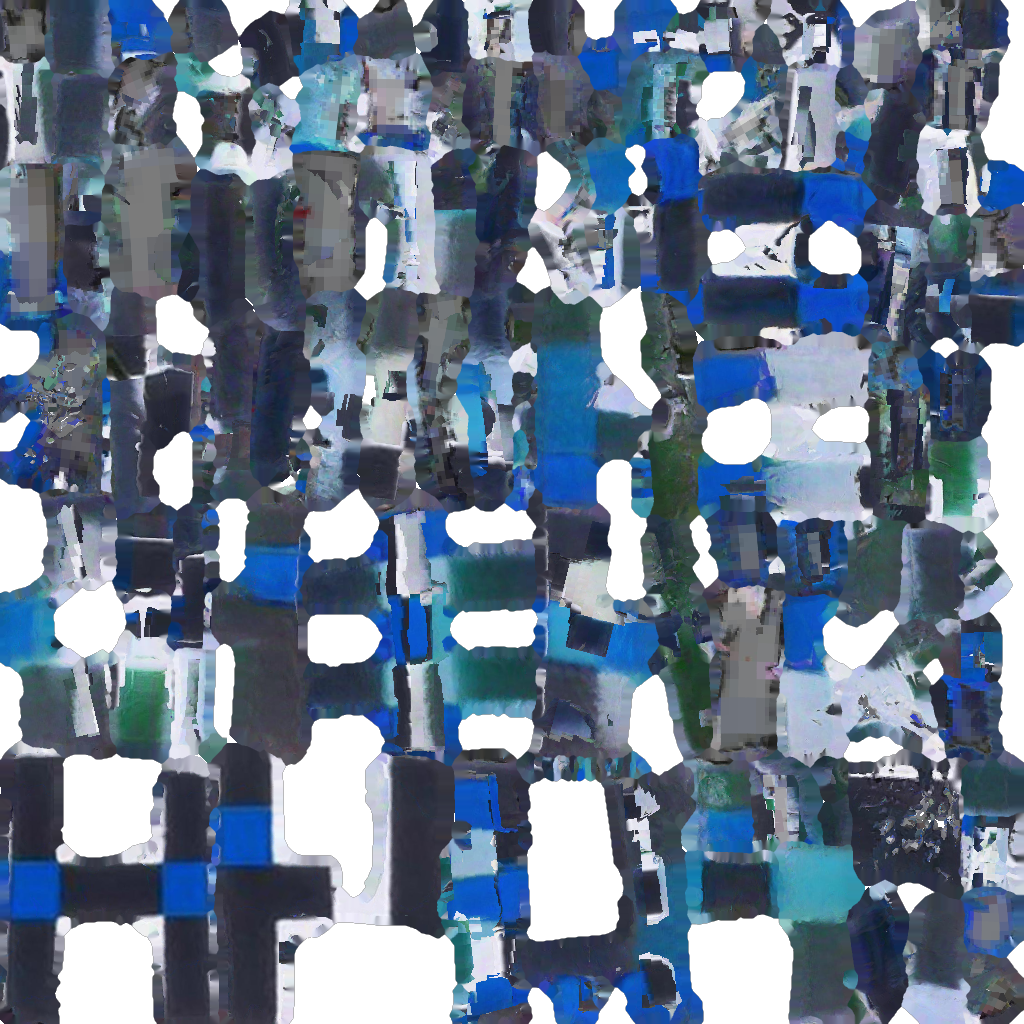
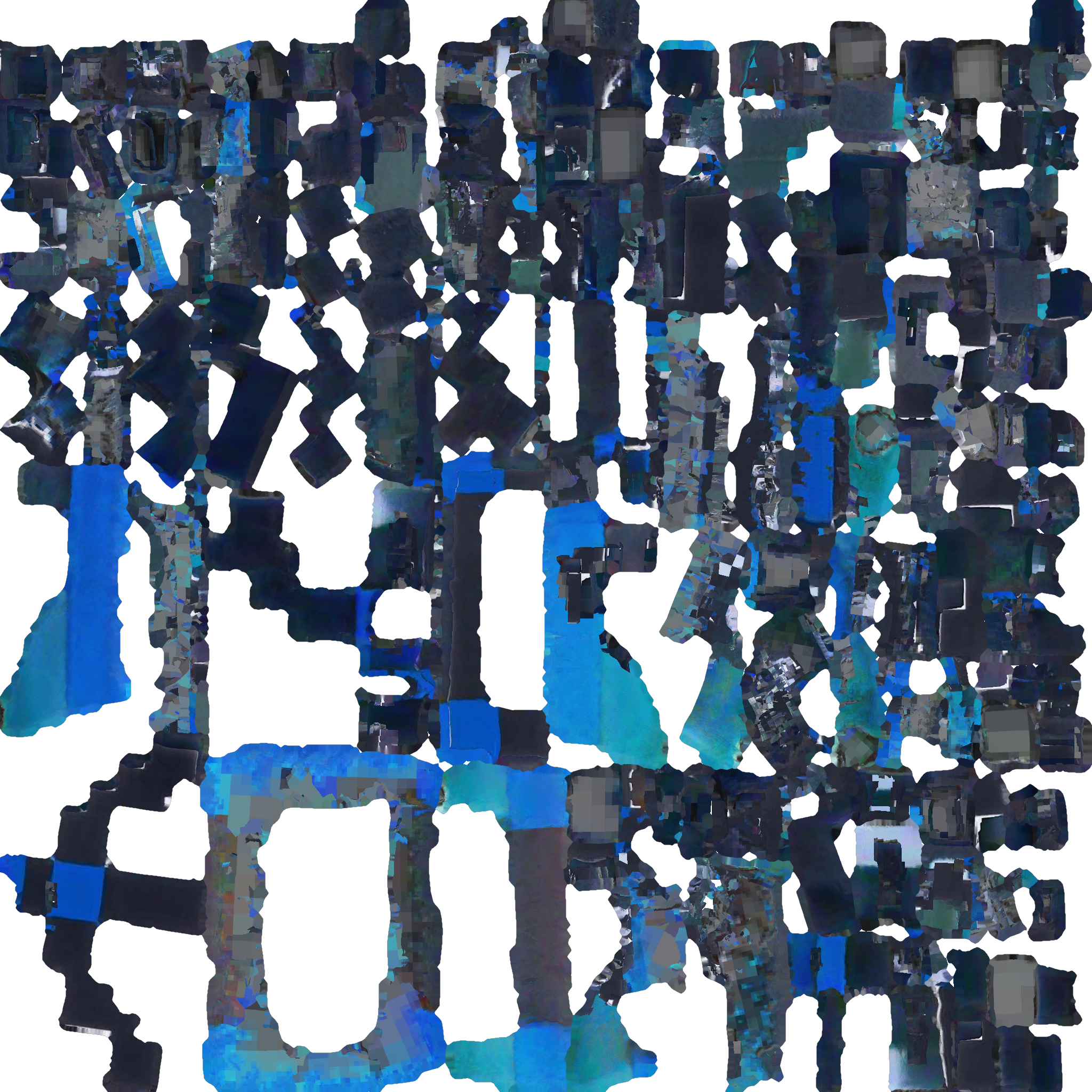
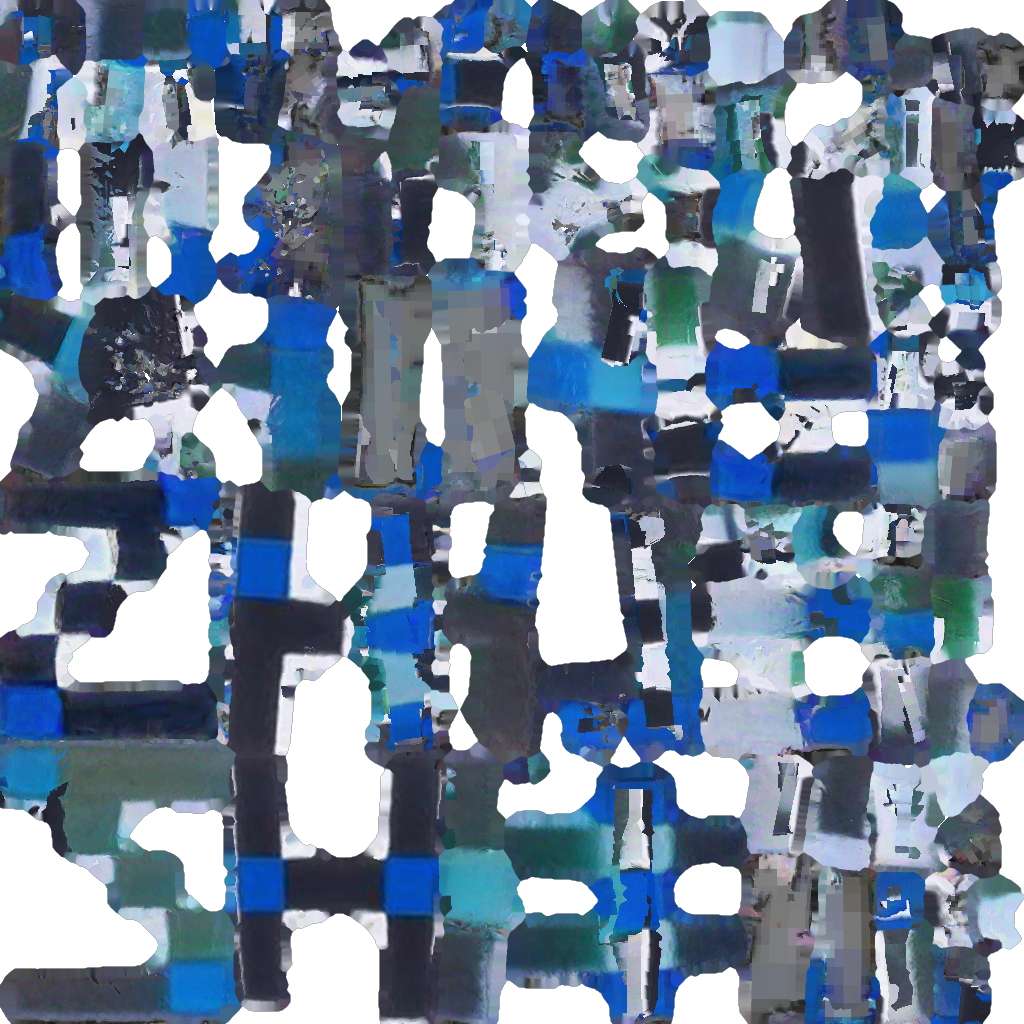
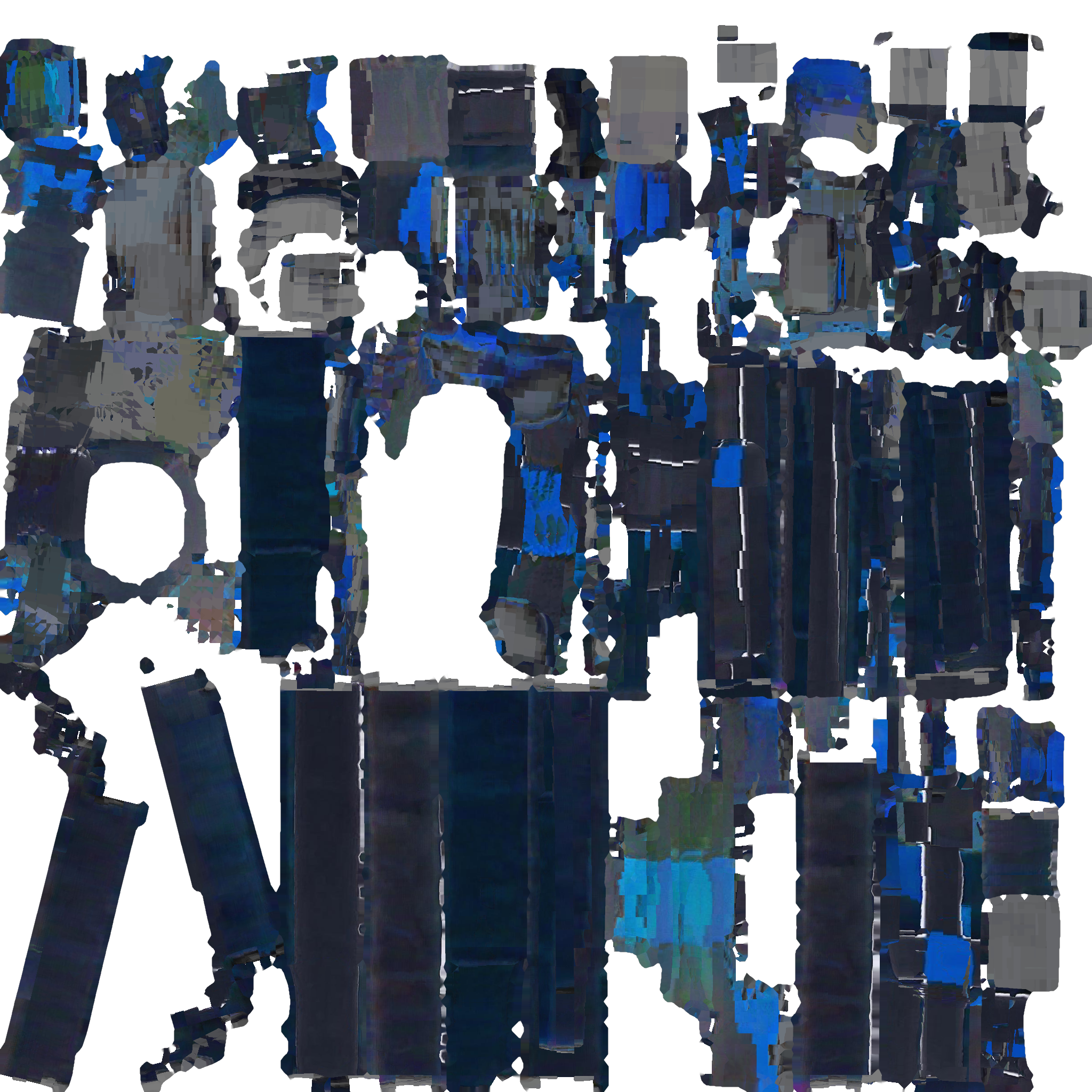
The workflow can therefore be understood as a continuous calibration: physical object → 3D scan → human observation → language → AI interpretation → generated object → comparison → revised language
Each iteration passes through this loop again. The goal is not to discover a perfect prompt, but to make the friction between these forms of representation visible. The scan remains relatively stable while language and machine interpretation repeatedly move around it.
Language itself becomes a design medium. The project examines not only what is said to the AI, but how linguistic structures alter spatial interpretation. Describing the same object in Chinese and through its direct English translation can generate substantially different three-dimensional results. Translation therefore introduces another computational variable: linguistic structures, cultural associations, and semantic conventions become capable of producing geometric differences.
This makes the project an encounter at several scales simultaneously. There is the encounter between architectural cultures within Shenzhen; between physical objects and their digital scans; between visual perception and linguistic description; between Chinese and English; and ultimately between human and machine systems for understanding the world.
Once generated, these AI-mediated fragments are computed through simulation software into an evolving architectural assembly. Rather than composing the house as a fixed arrangement, the fragments accumulate, collide, negotiate, and reorganize over time. The process is presented through a ninety-second animation in which the architecture appears to grow around and through the site-specific “Shenzhen” typography.
The resulting house is therefore neither a direct representation of Shenzhen nor an autonomous AI-generated architecture. It is assembled from a chain of translations originating in things physically encountered in the city: site → object → scan → perception → language → AI reconstruction → simulation → architecture. At every translation, information is preserved, distorted, interpreted, or lost.
Urban Encounter treats these discrepancies not as errors to be corrected but as productive material for design. The project asks what happens when architecture is produced through systems that do not necessarily see, describe, or understand the same world in the same way. Rather than seeking frictionless collaboration with artificial intelligence, it makes the friction of communication itself operational, using repeated acts of description, misunderstanding, comparison, and recalibration as an architectural design process.