



_ bimbo disaster
tag: [work] [phygital] [digi]
date: 20221011
classification: TUNICA Magazine Issue No.8 “Reloaded”
external link: tunicastudio.com;
collaborator: TUNICA Magazine & Kate Biel
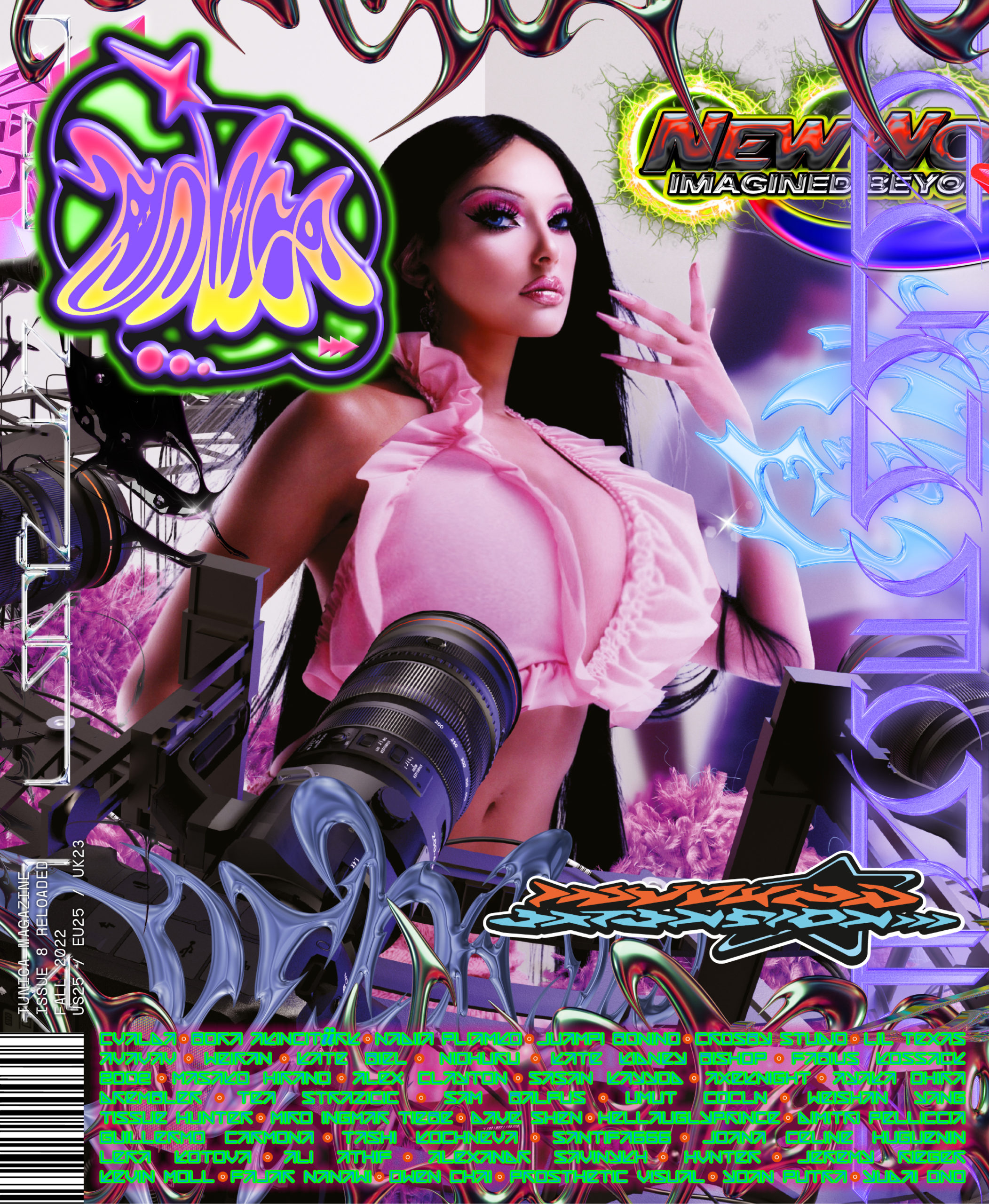
TUNICA Issue No.VIII “Reloaded”:
“We are transitioning to an imminent digitized age in which the signs of identity are being re-worked. Bodies need to be empowered, not just physically but digitally”. Science fiction is being invoked. Technology has just been an extension of ourselves beyond our current physical limits. As we grow, we upload our consciousness to the web. Our identities are all enmeshed. Time is distorted by virtual form. When we pass away, our digital footprint lives on forever. The body is empowered through expansion. New worlds are being imagined and communicated with beyond “objective” reality. The truth is we are already cyborgs. The lie is in the horizon. While everyday acts of utopian longing reject existence, the future exists to critique the present. Someday this ironic system will fail and be replaced by something much greater.”

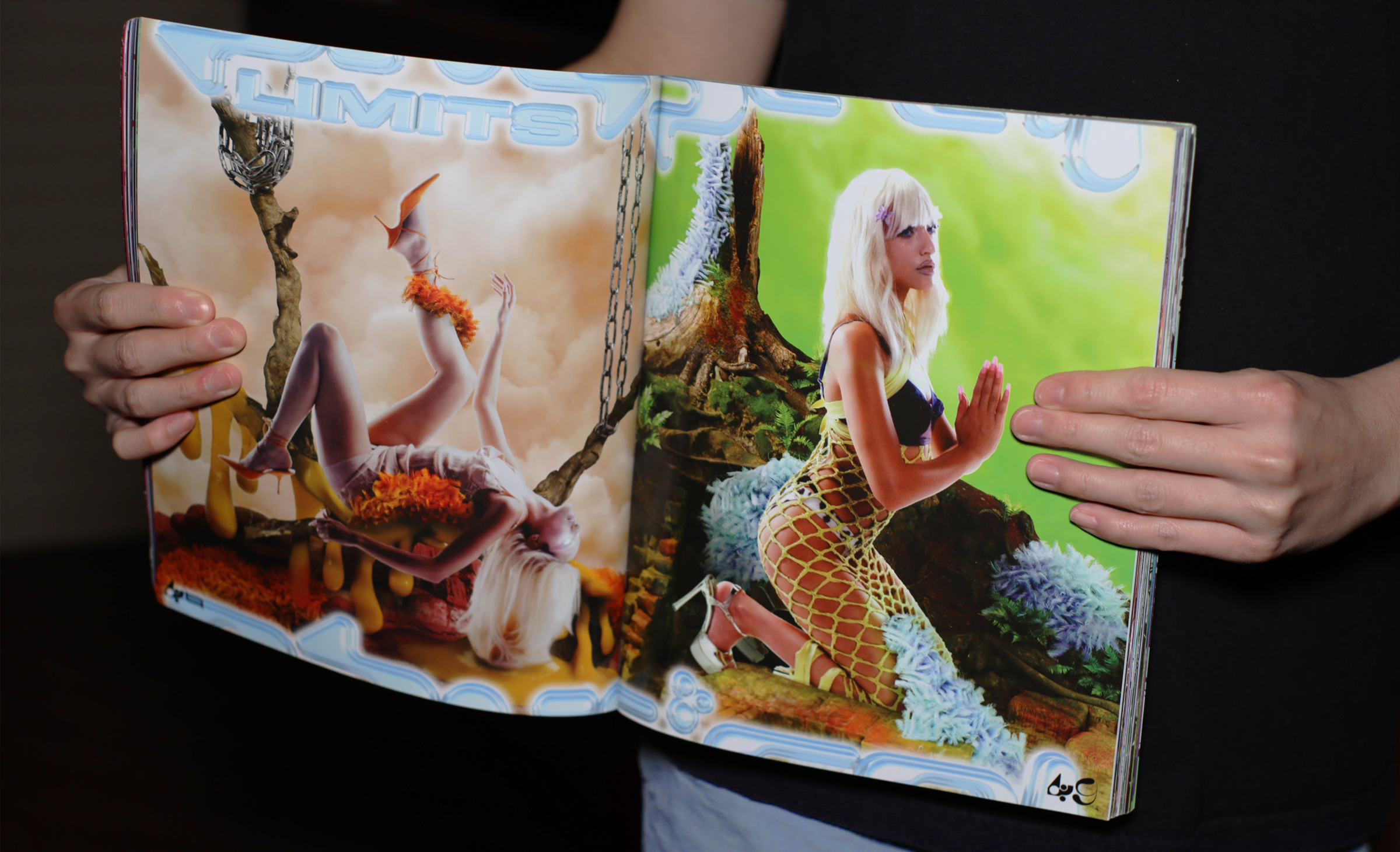
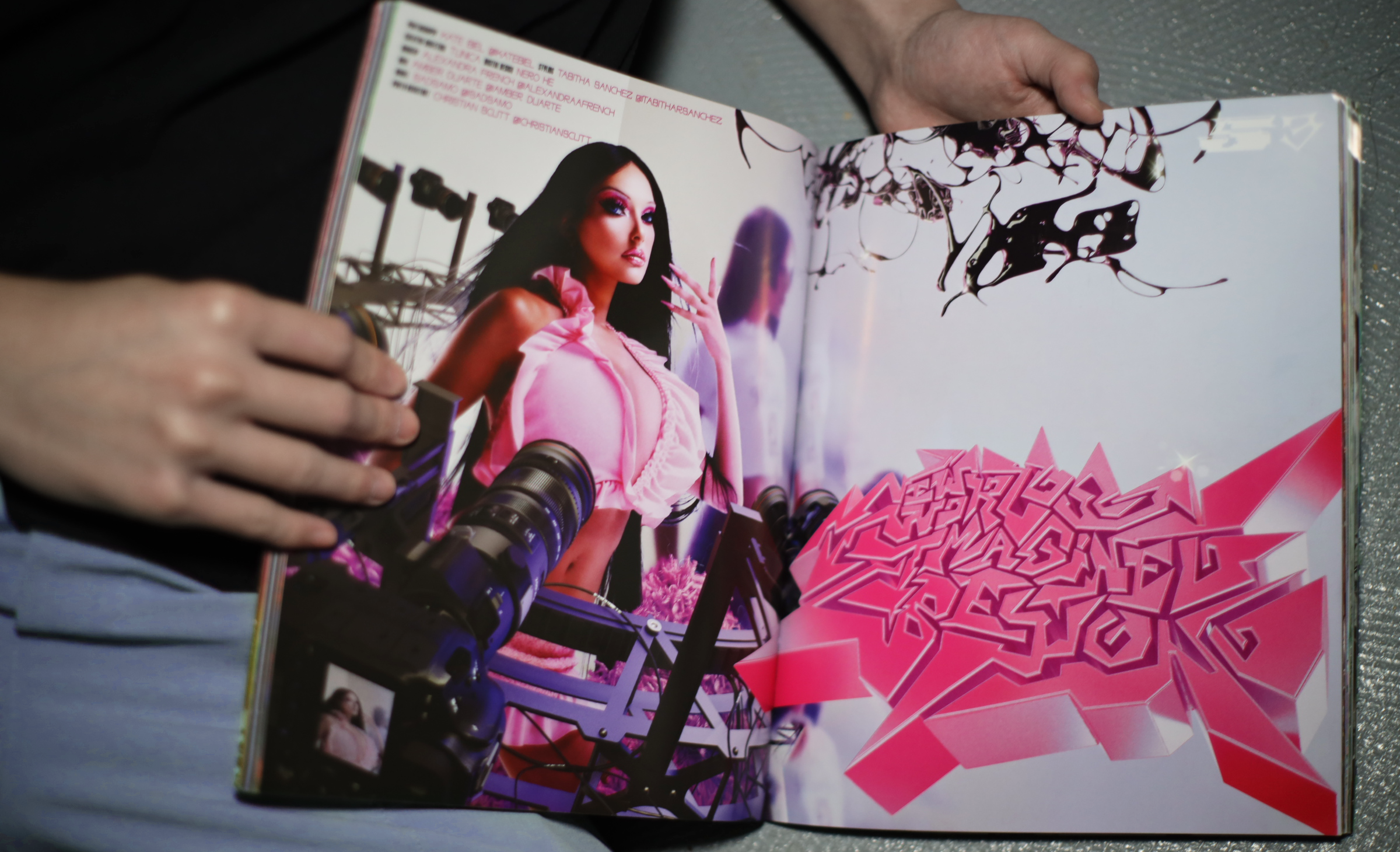
Bimbo Disaster is a collaborative image-making project developed for TUNICA Magazine with photographer Kate Biel. Working through the visual language of contemporary bimbo culture, the project constructs a phygital environment in which photographed bodies, 3D-scanned objects, simulated materials, and synthetic landscapes coexist within the same image.
![]()
Plastic Fossils: Relics of a Bimbo-Dominated Past
The project imagines a speculative aftermath in which the bimbo has become extinct and her synthetic remains persist as archaeological evidence. Plastic objects, garments, bodies, and landscapes are reconstructed as fossils of an exaggerated digital culture—artifacts suspended somewhere between the prehistoric and the hyper-contemporary.
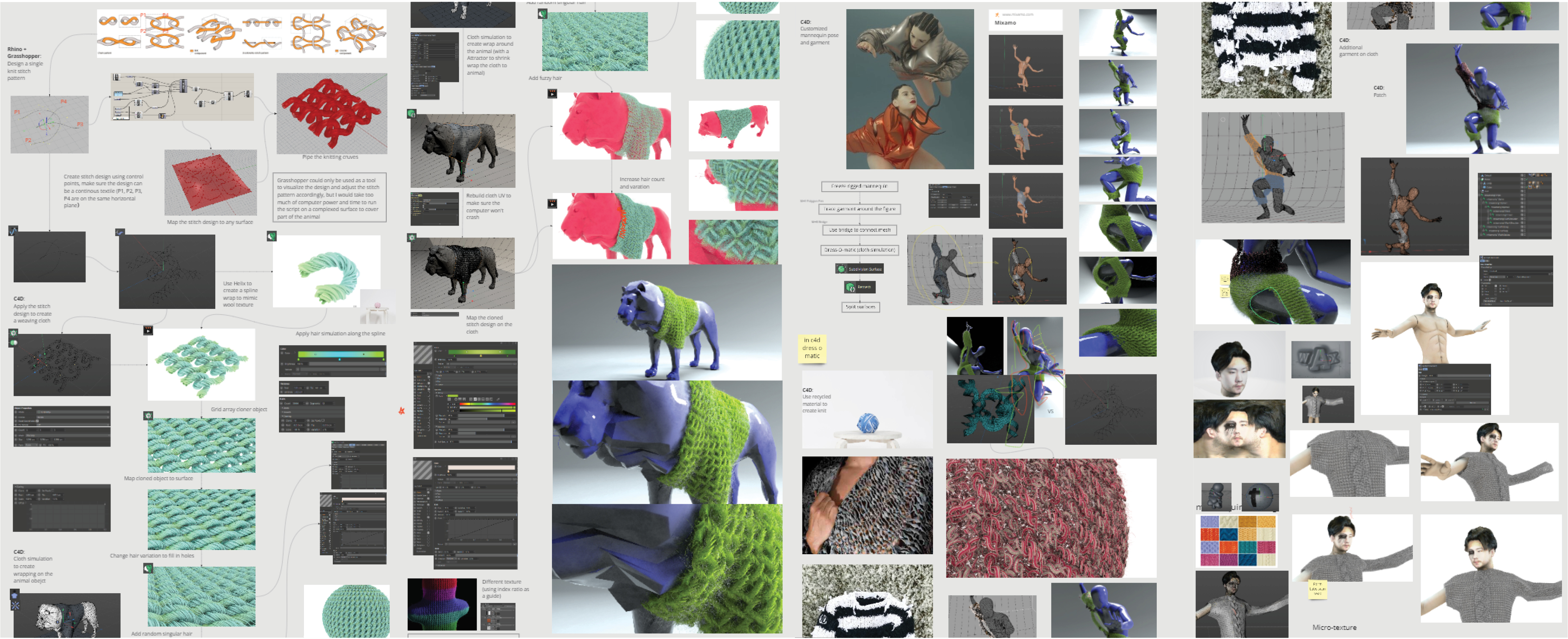
Within this fiction, material simulation becomes another form of reconstruction. Phygital knitwear is generated strand by strand according to the logic of physical knitting, translating the structure of a real material into a computational one. Rather than simply reproducing its appearance, the simulation rebuilds the material through the processes by which it might be made.
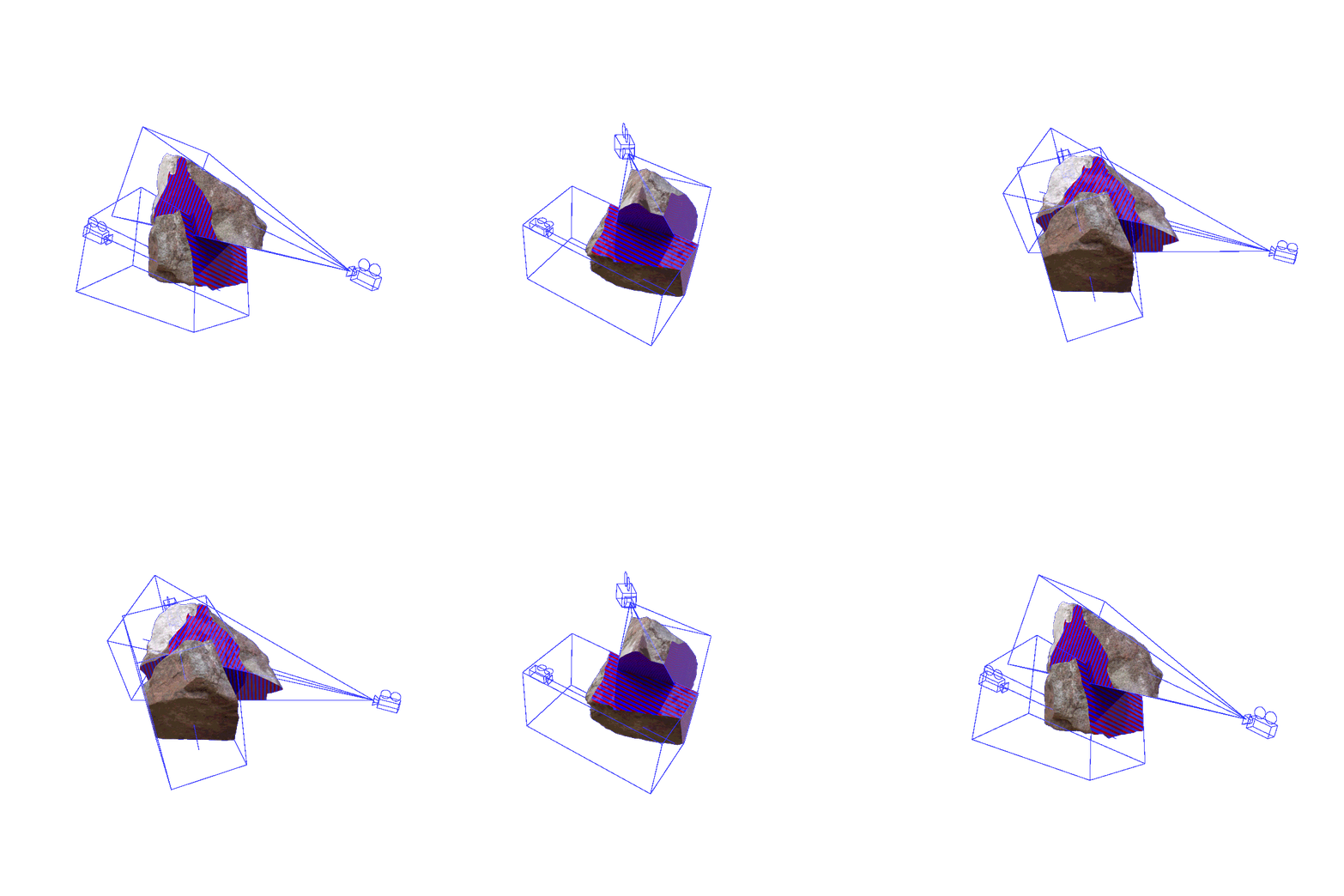
Rather than treating the digital environment as a background added after photography, scanned objects are reorganized as spatial nests around the model, allowing physical photography and digitally constructed space to become mutually dependent. The resulting images deliberately blur distinctions between body, object, garment, landscape, and image.
Plastic Fossils: Relics of a Bimbo-Dominated Past
The project imagines a speculative aftermath in which the bimbo has become extinct and her synthetic remains persist as archaeological evidence. Plastic objects, garments, bodies, and landscapes are reconstructed as fossils of an exaggerated digital culture—artifacts suspended somewhere between the prehistoric and the hyper-contemporary.
Within this fiction, material simulation becomes another form of reconstruction. Phygital knitwear is generated strand by strand according to the logic of physical knitting, translating the structure of a real material into a computational one. Rather than simply reproducing its appearance, the simulation rebuilds the material through the processes by which it might be made.