



_ home essentials
tag: [work] [phygital] [digi]
date: 20191007
classification: Home Competition 2019
external link: thehomecompetition.com;
team: Haocheng Dai, Yue Di, Laure Michelon
status: honorable mention
Architects often begin the design of a home with preconceived ideas about domestic space. Home Essentials proposes an alternative process that begins instead with observation: how everyday routines, possessions, and spatial arrangements reveal patterns of inhabitation. Rather than addressing homelessness through a predetermined architectural solution, the project develops a methodology for allowing an existing way of living to inform how a home might take form.

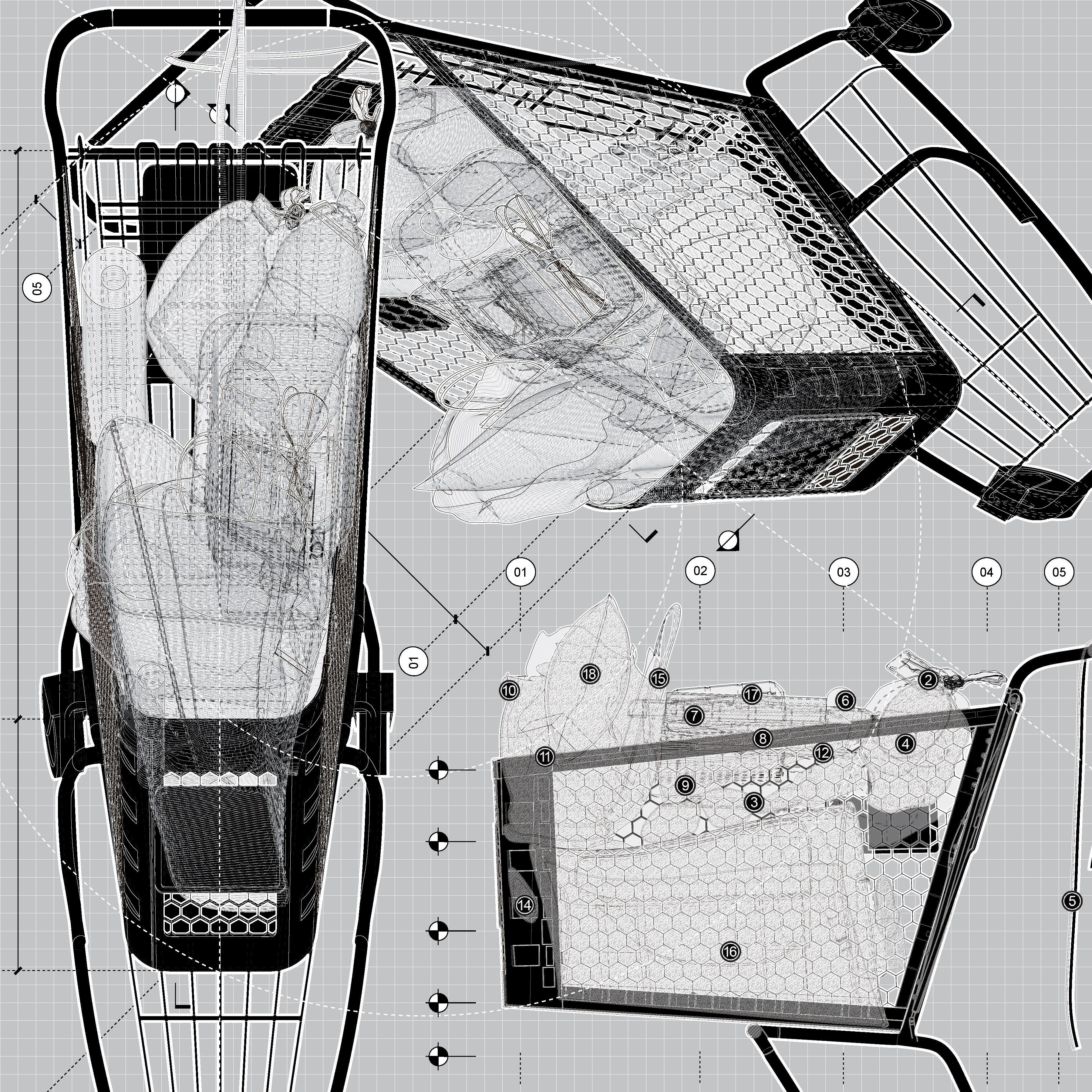
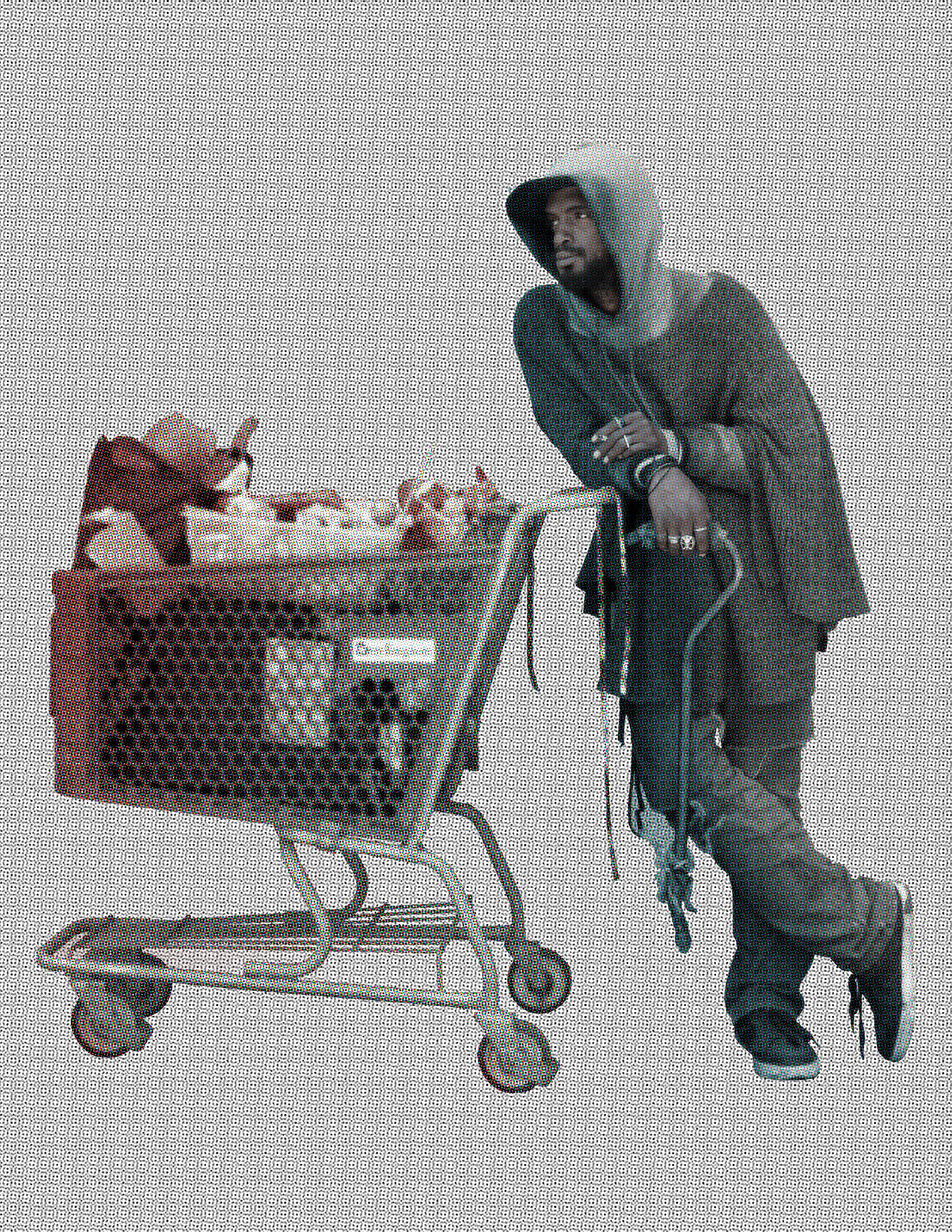
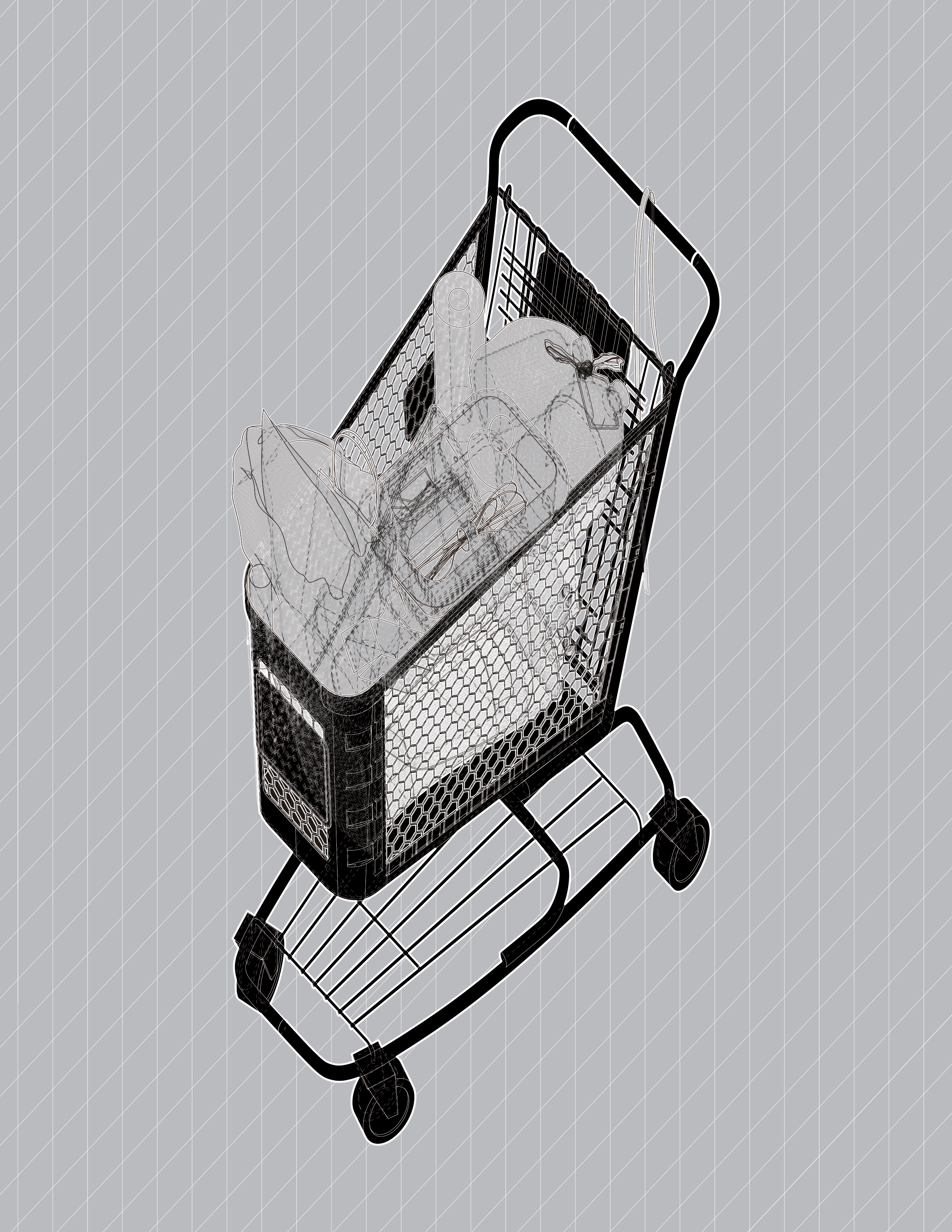
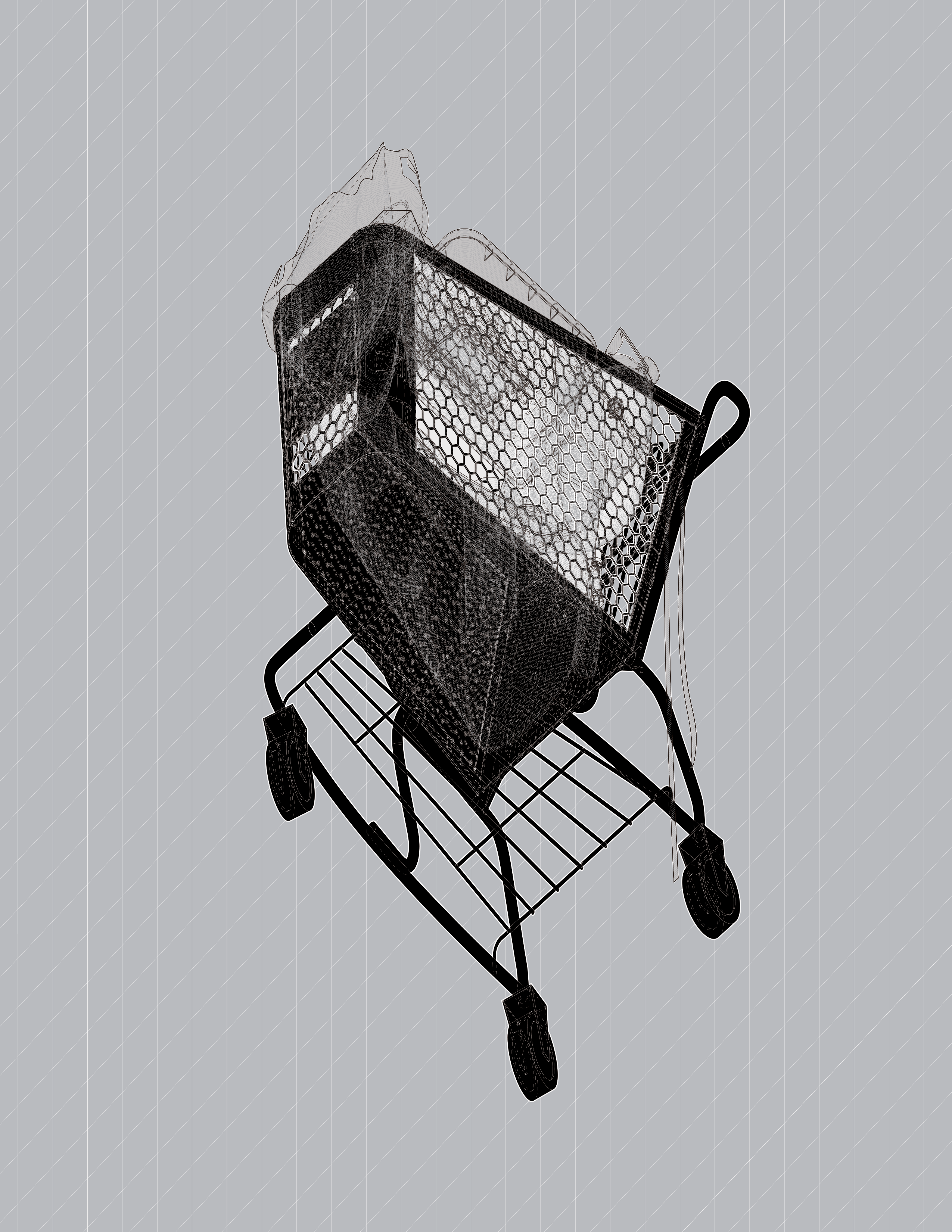
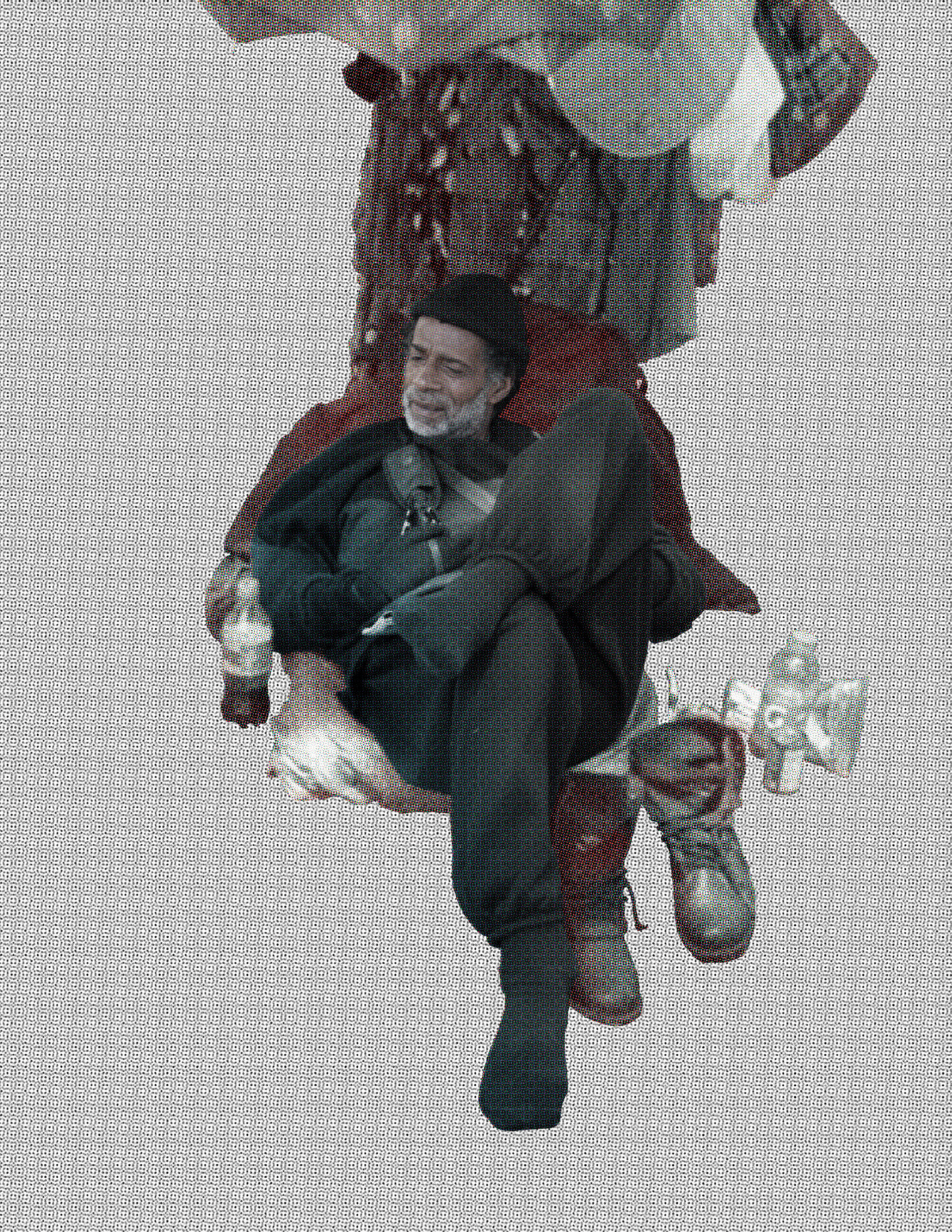
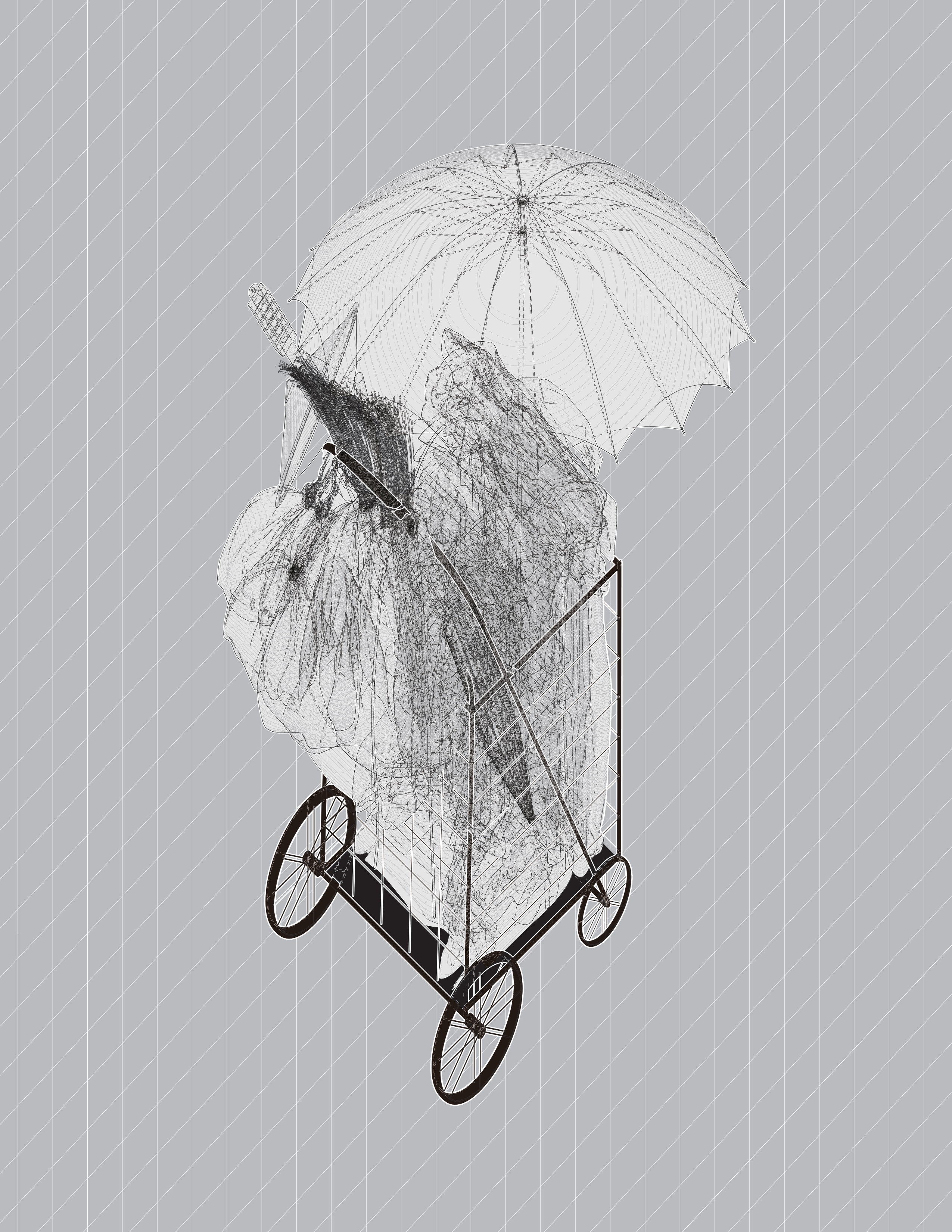
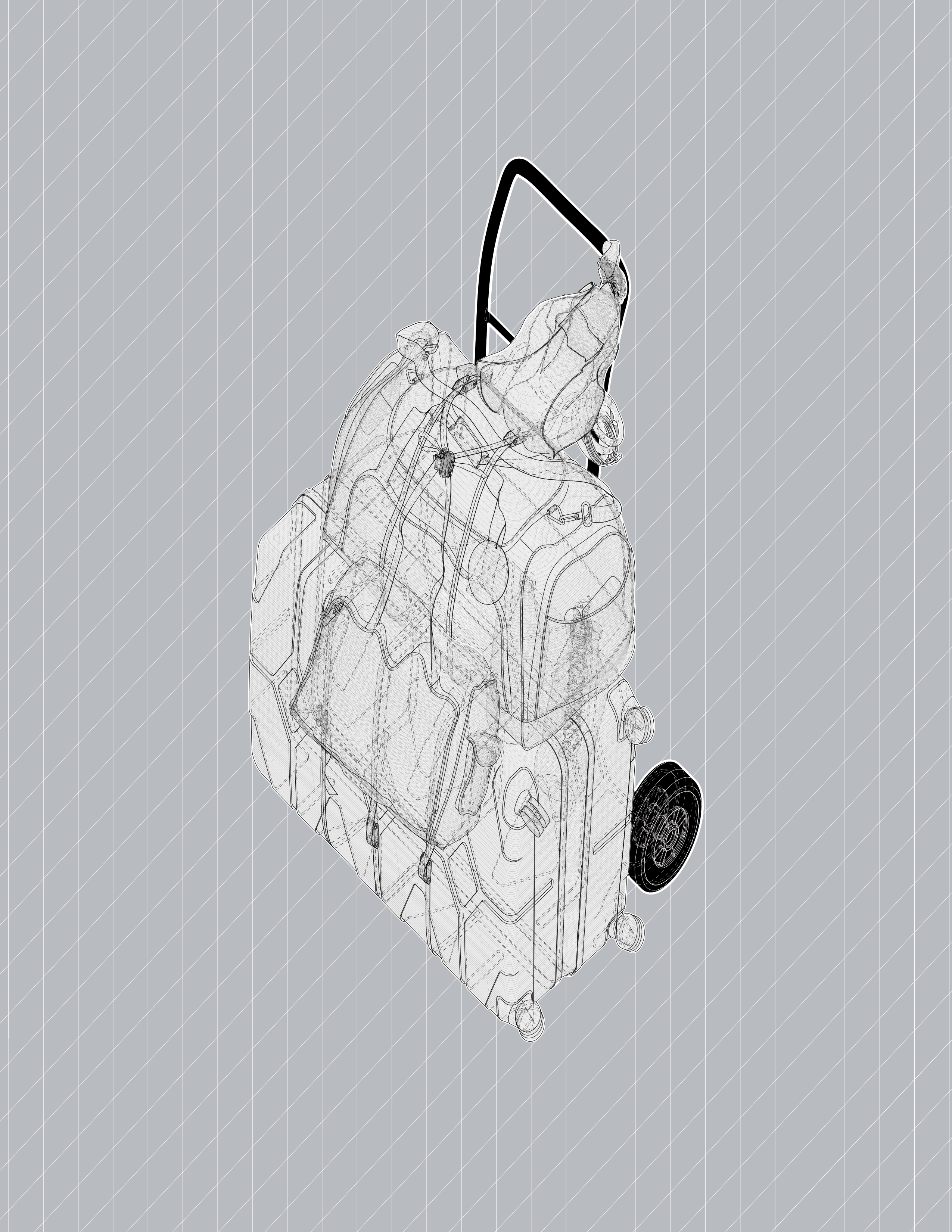
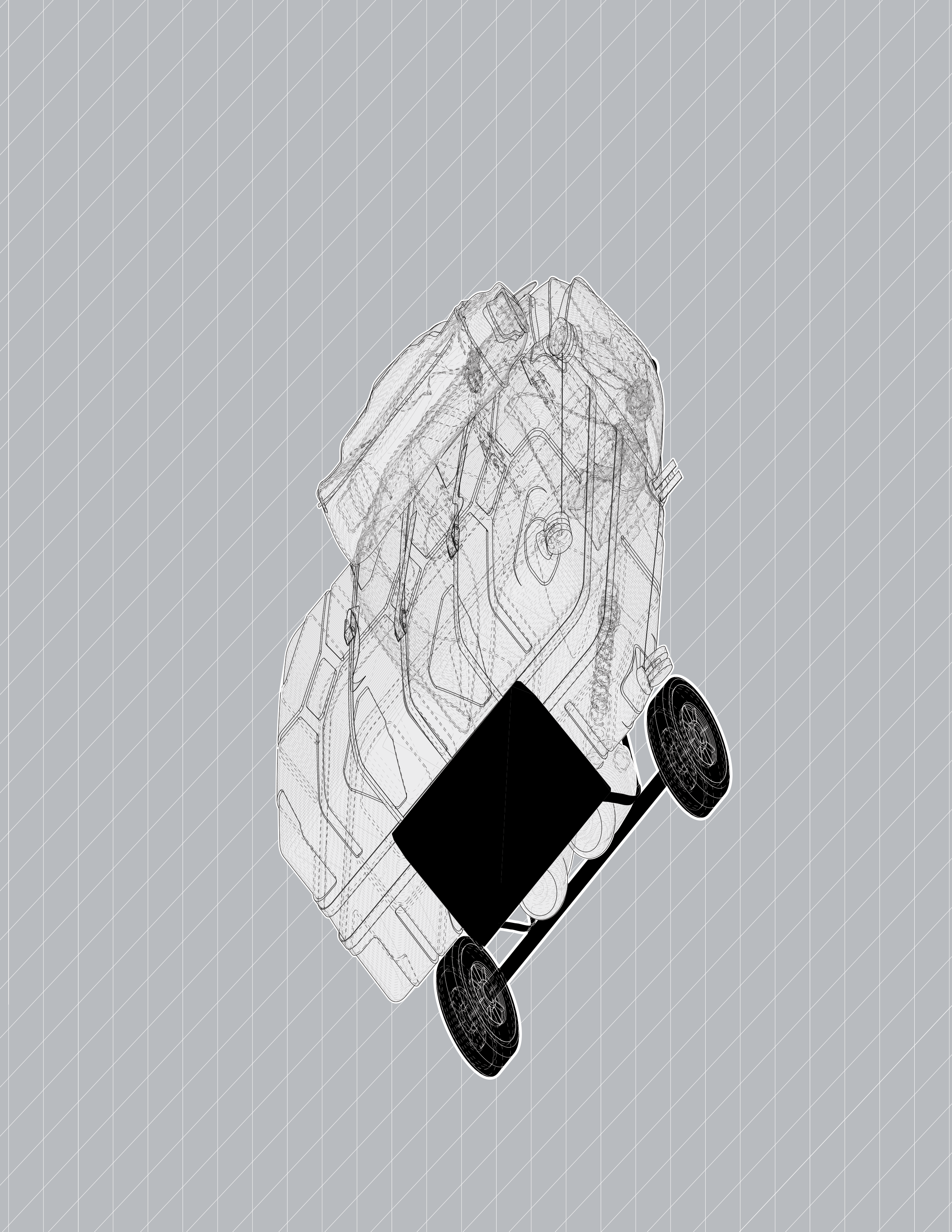
Anthony was interviewed about the shopping cart that functioned as his mobile home, offering insight into his routines, possessions, accessibility, and spatial organization. The cart became the subject of an intensive process of documentation, cataloguing, and analysis. Rather than correcting or redesigning its form, the project examined its contents, adjacencies, and sequences through simulation. By taking apart, cataloguing, reusing, and deliberately misusing these elements, the cart gradually became the basis for a proto-home.


Through a series of deliberately simple yet precise operations, the spatial organization of the cart was progressively reconfigured. Its scale expanded toward that of a single-family house, while existing points of entry were maintained as constraints throughout the transformation. The result establishes a building logic derived not from a predetermined architectural form, but from the transformation of an already inhabited system.
Within this process, the architect shifts from prescribing form toward constructing the procedures through which form can emerge. Floors, spaces, materials, and openings are introduced in response to the evolving organization, producing a home that retains traces of Anthony’s existing patterns of living.
Anthony’s Cart